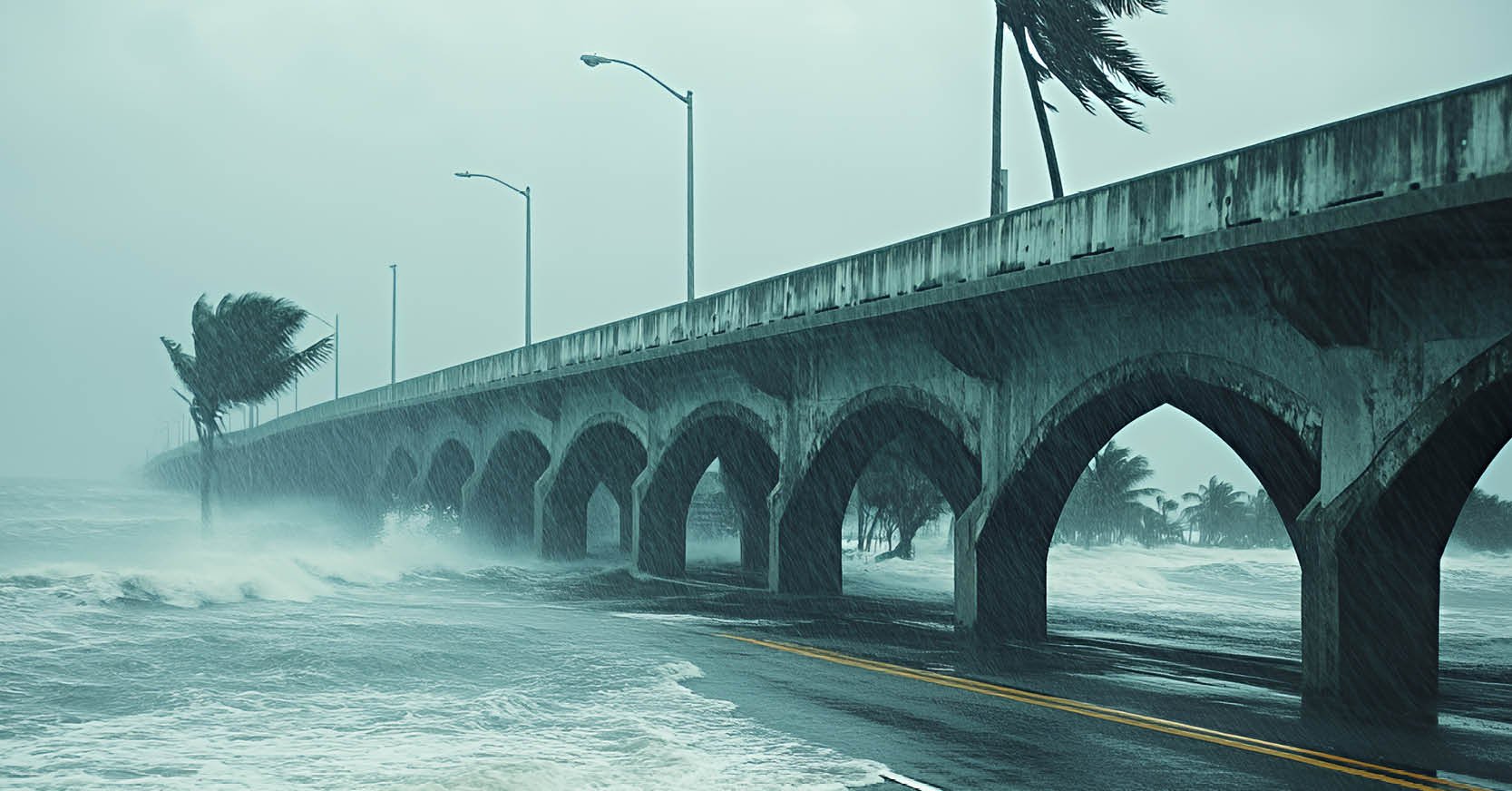
Hurricanes are getting stronger and larger with impacts that are now extending beyond traditional coastal zones. Inland communities that once considered themselves relatively protected are increasingly experiencing flooding, wind damage, and infrastructure failures from major storm events – all while potential changes to FEMA’s role in disaster recovery could place more responsibility on local governments in the future.
This raises an important question for local governments. What steps can be taken to make Florida communities more resilient as hurricane risks continue to grow in scale and strength?
The answer is planning ahead and identifying existing and future vulnerabilities, securing funding, and investing in projects that reduce long-term risk before the next storm arrives.
DRMP brings local knowledge and national expertise in resilience planning and infrastructure design, helping communities turn ideas into actionable, high-impact solutions. We deliver clear-eyed strategies and solutions to advance resilience in ways that promote economic growth, respect community character, and strengthen the long-term stability of the people local governments serve.

One solution is Resilient Florida, a program that provides critical funding to support resiliency efforts. The next application cycle for this funding is expected to open in July and August 2026. However, successfully competing for these dollars requires technical analysis, strong documentation, and alignment between community priorities and program requirements.
This is where many local governments face challenges, not in identifying their risks, but in translating those risks into fundable, well-supported projects that can progress from concept to construction.
Turning Risk into Solutions
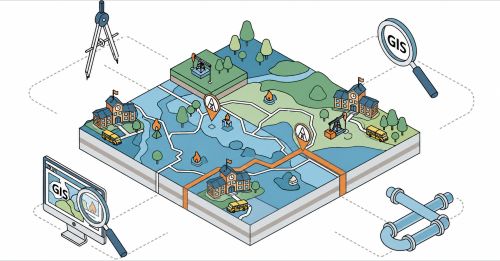
Using advanced analysis of critical assets, flood exposure, and infrastructure risk, DRMP helps communities pinpoint where they are most vulnerable to acute flooding events and long-term climate stressors. This technical foundation informs clear, data-driven priorities for reducing risk.
Advancing planning to implementation, DRMP applies engineering and design expertise to develop adaptation and mitigation strategies supported by feasibility studies and conceptual design, resulting in projects with defined design criteria, constructible solutions, and reliable cost estimates.

This engineering-backed rigor, combined with proficient research, benefit-cost analysis, efficient technical writing, effective storytelling, and detailed quality assurance provides confidence that proposed projects are competitive for state and federal funding opportunities.
And once awarded, DRMP delivers with resilient design and project and construction management that includes permitting and federal compliance. This streamlined approach helps communities move from approved funding to delivered projects much faster without duplication of effort.
Preparing for Recovery Without FEMA
There are several proposed changes to how America responds and recovers from hurricanes. Almost all of these include more local involvement and responsibility. While it is unlikely that FEMA will not be involved in recovery, there is a potential they will be less hands on. This will make understanding your infrastructure and preparing to have qualified, licensed professionals prepare damage assessments and scope and cost estimates for hurricane damaged infrastructure an essential need.
DRMP delivers engineering-led recovery solutions that tightly integrate FEMA compliance documentation and procedures throughout the project development phase. This approach enables a single assessment-to-construction workflow that eliminates duplication of cost and effort while producing a streamlined recovery process.
Resilience in Action
DRMP’s experience covers coastal and inland resilience projects, nature-based solutions such as living shorelines, and infrastructure improvements designed to perform under increasing storm intensity and frequency.
Recent work reflects this full lifecycle approach. In Brevard County, Fla., DRMP supported the Titusville Causeway Living Shoreline project, which incorporates natural systems with engineered solutions to reduce erosion and improve coastal resilience.

At Patrick Air Force Base, DRMP contributed to long-range resilience planning to help ensure future mission readiness under evolving environmental conditions. Statewide, DRMP has also supported efforts to improve flood vulnerability and sea level rise datasets to better inform decision-making throughout Florida.
As hurricane impacts continue to expand in scale and reach, resilience planning has become a core function of how communities prepare for the future, bringing together data, funding, and design to support smarter, more durable investments.
Ready to get started? Contact us today.
Josh Norman serves as the Disaster Resilience and Sustainability Practice Leader for DRMP.