How many times have you driven through a downtown – big or small – only to find yourself searching for parking, navigating a maze of one-way streets, or circling the block after missing your destination?
For drivers, one-way street networks can make navigating downtown less intuitive, particularly when accessing businesses, offices, entertainment venues, and public spaces.
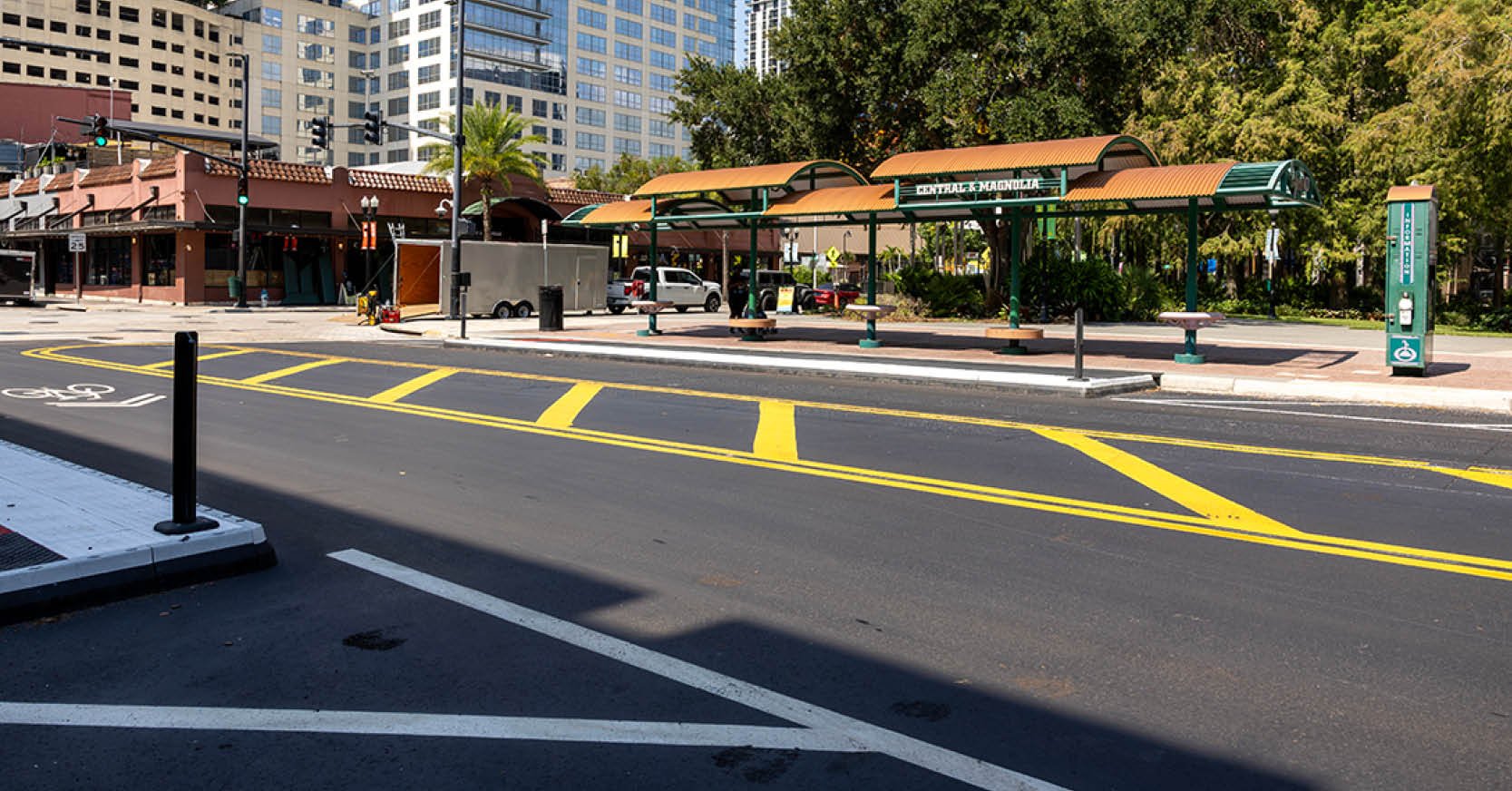
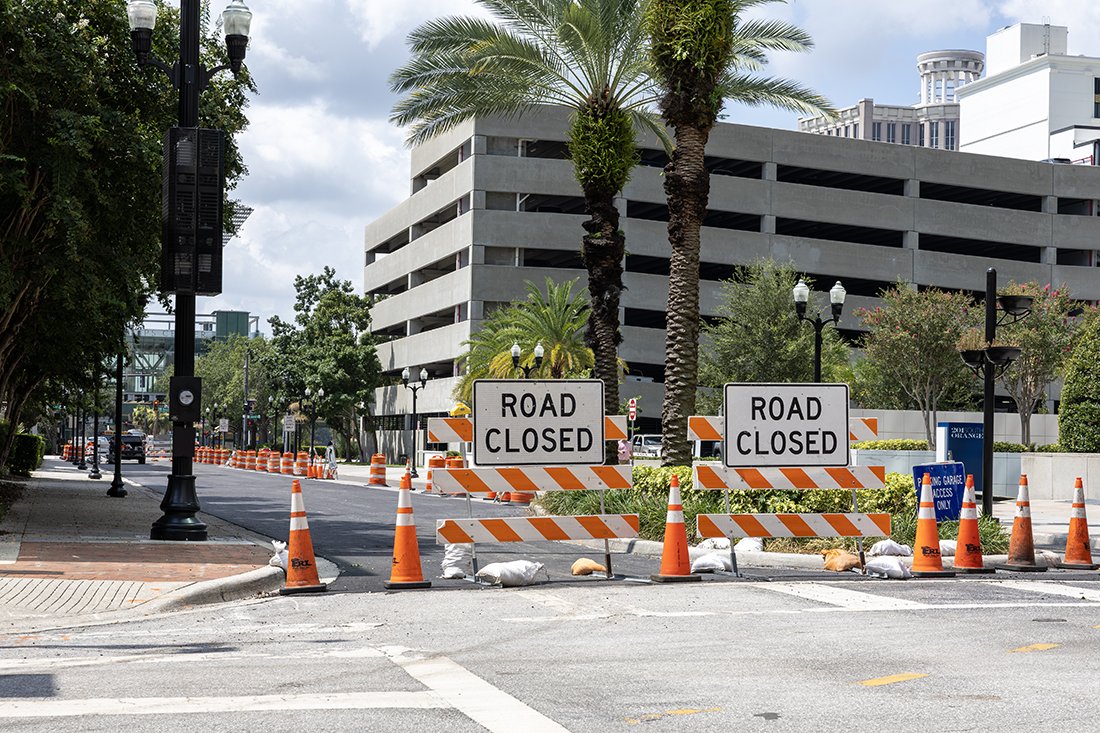
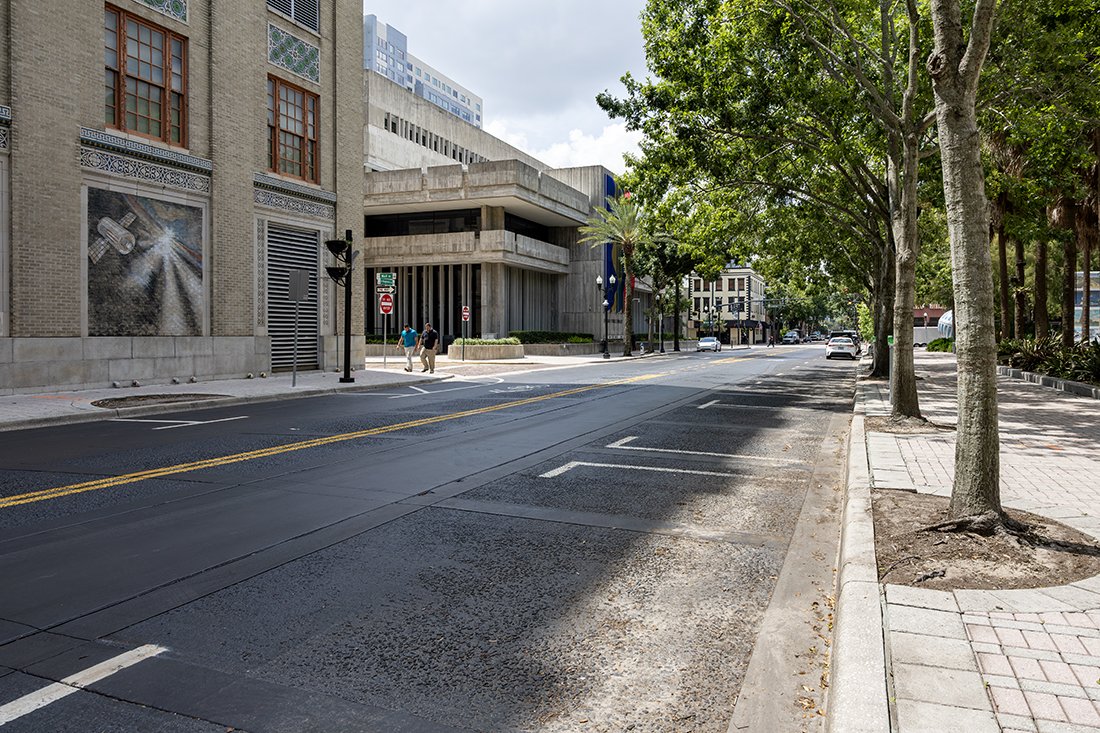
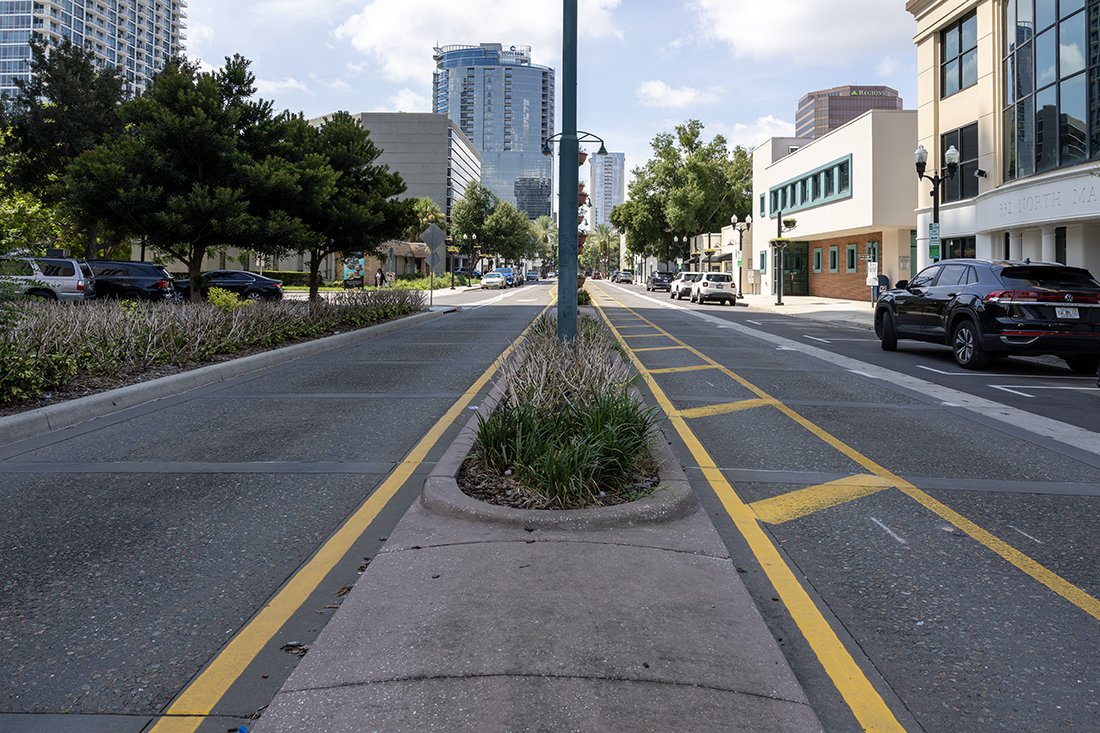
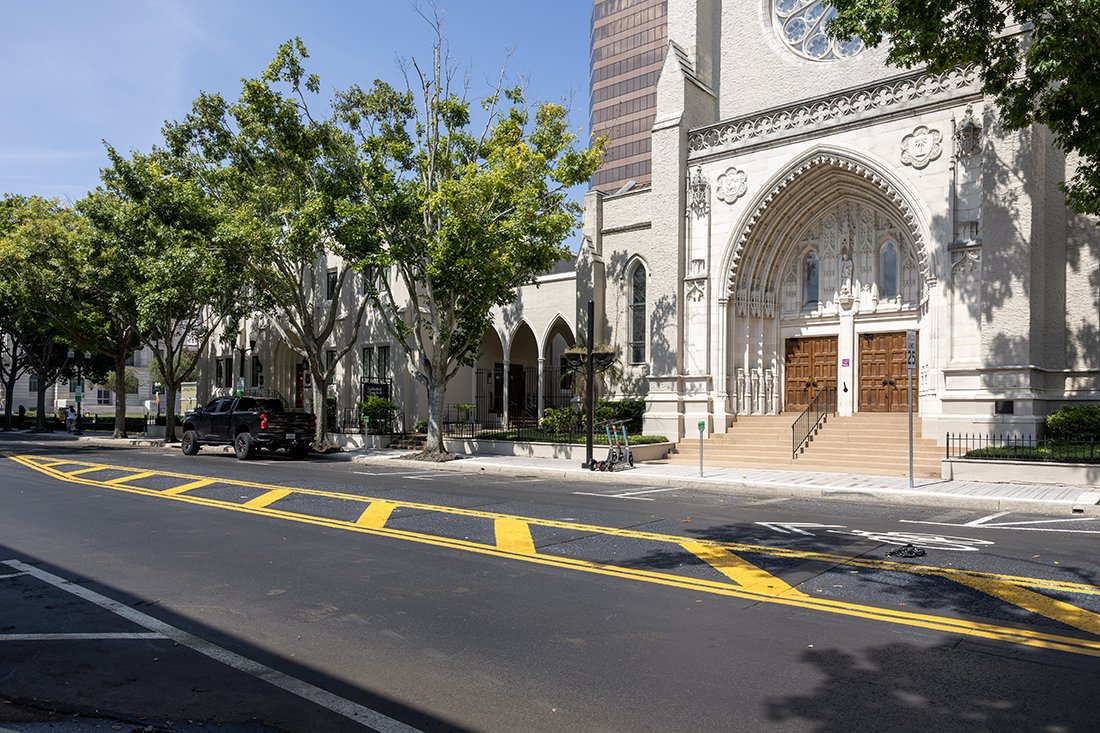
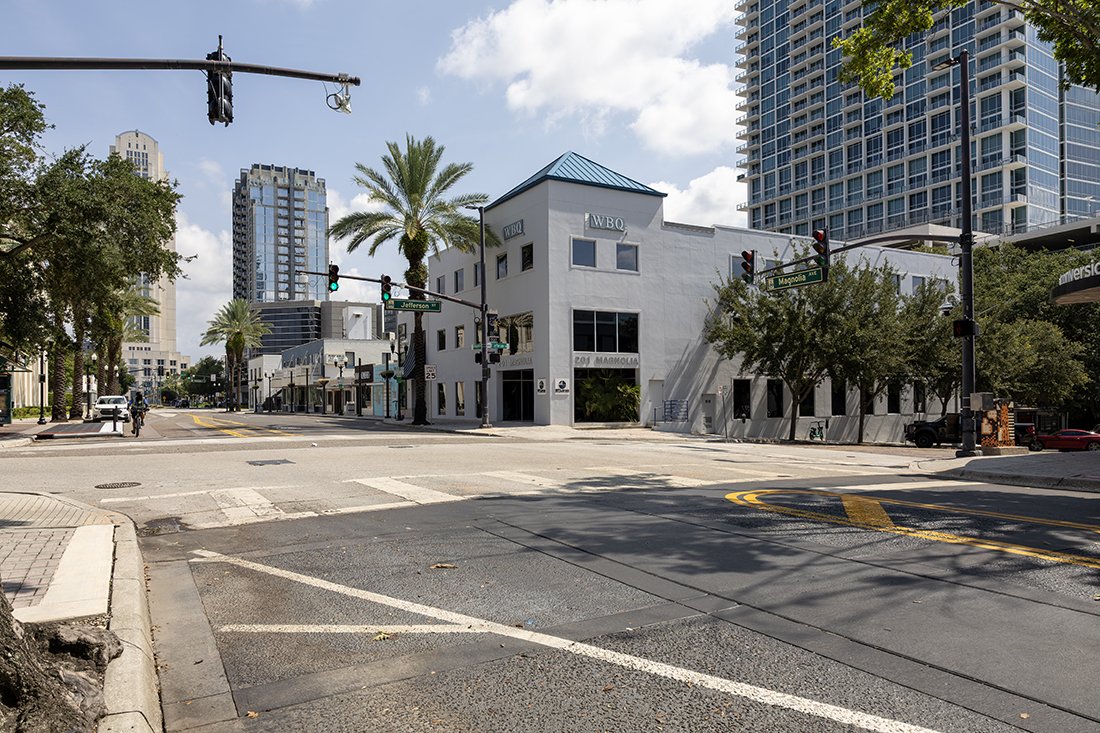
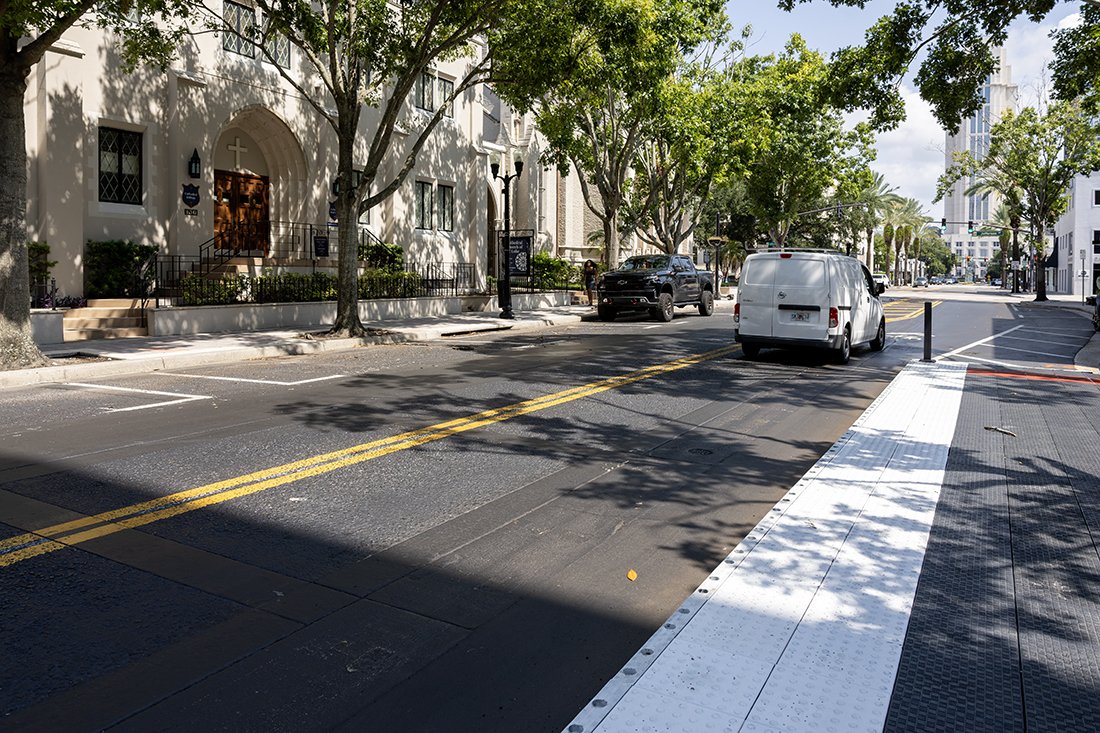
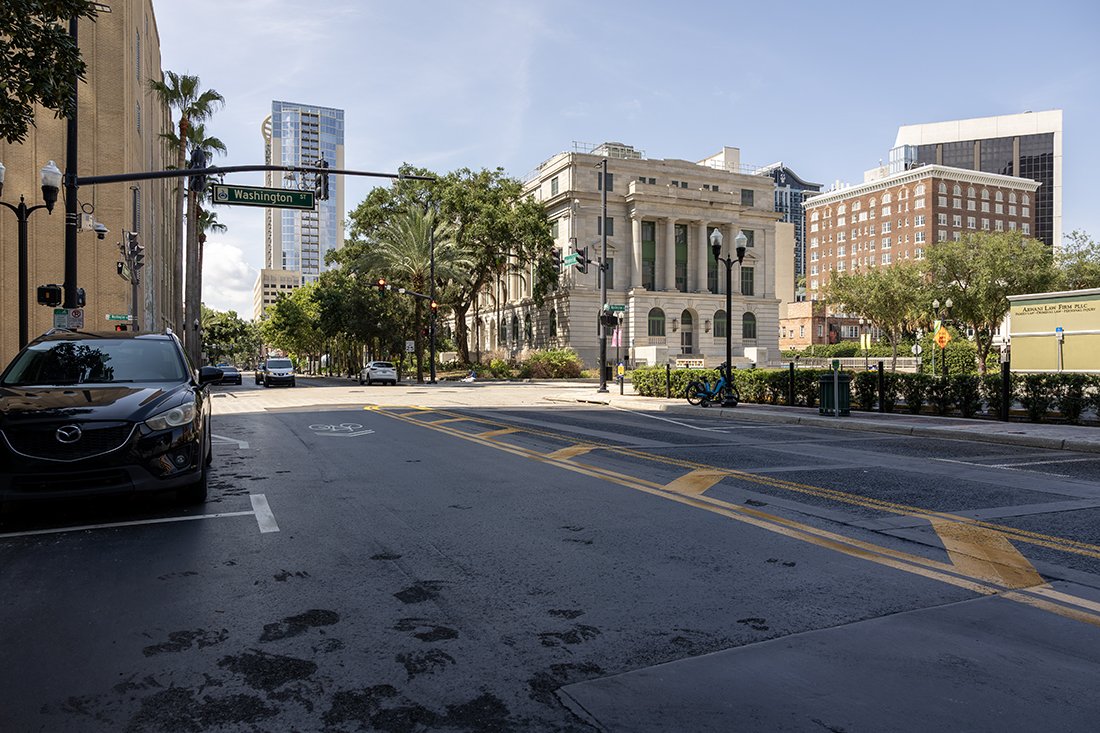
To improve access and connectivity in downtown Orlando, the City of Orlando selected DRMP as the roadway design engineer for Phase 1 to convert Magnolia Avenue, an important corridor within the Historic Business District, from a one-way to a two-way street. The project is part of the City's $750 million Downtown Orlando (DTO) Action Plan, a long-term initiative to create a more connected, accessible, and vibrant downtown. The project remains under construction but is nearing completion in the coming weeks, with some blocks already completed and open to traffic.
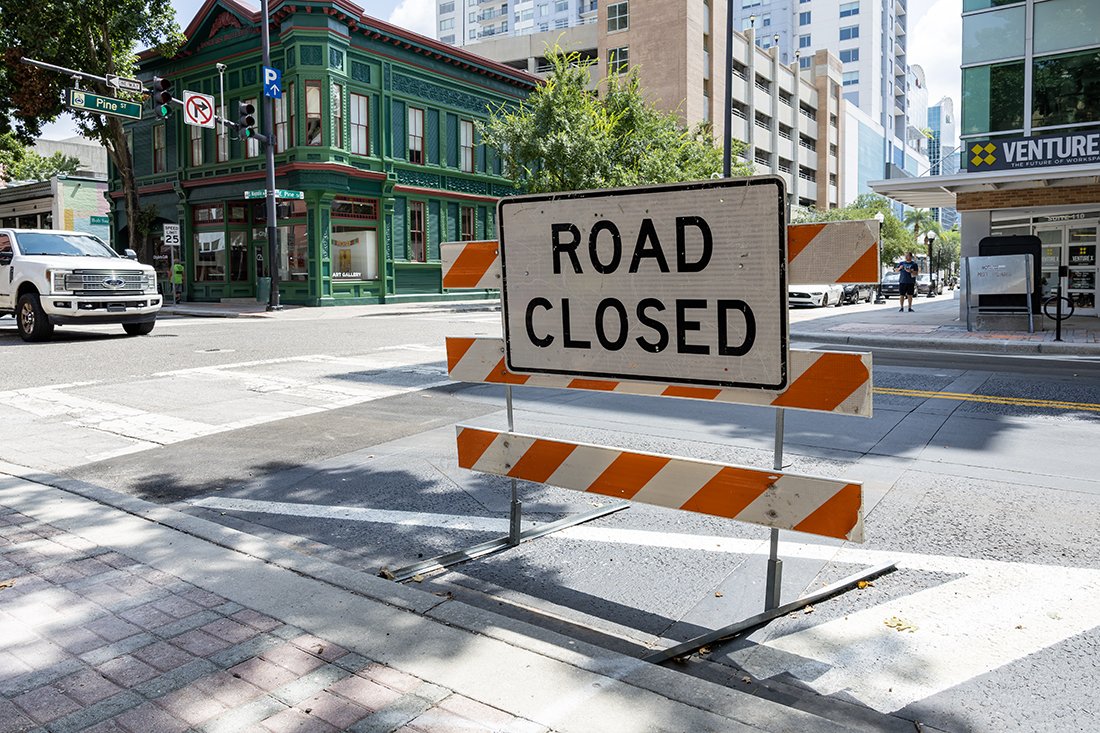
Photo credit: Merary Portillo/DRMP
The project extends from South Magnolia Avenue and East South Street to North Magnolia Avenue and East Livingston Street, enhancing a key north-south connection through downtown Orlando. The corridor was originally designed as a two-way street before being converted to one-way traffic in the 1950s as Orlando grew following the construction of Interstate 4 (I-4).
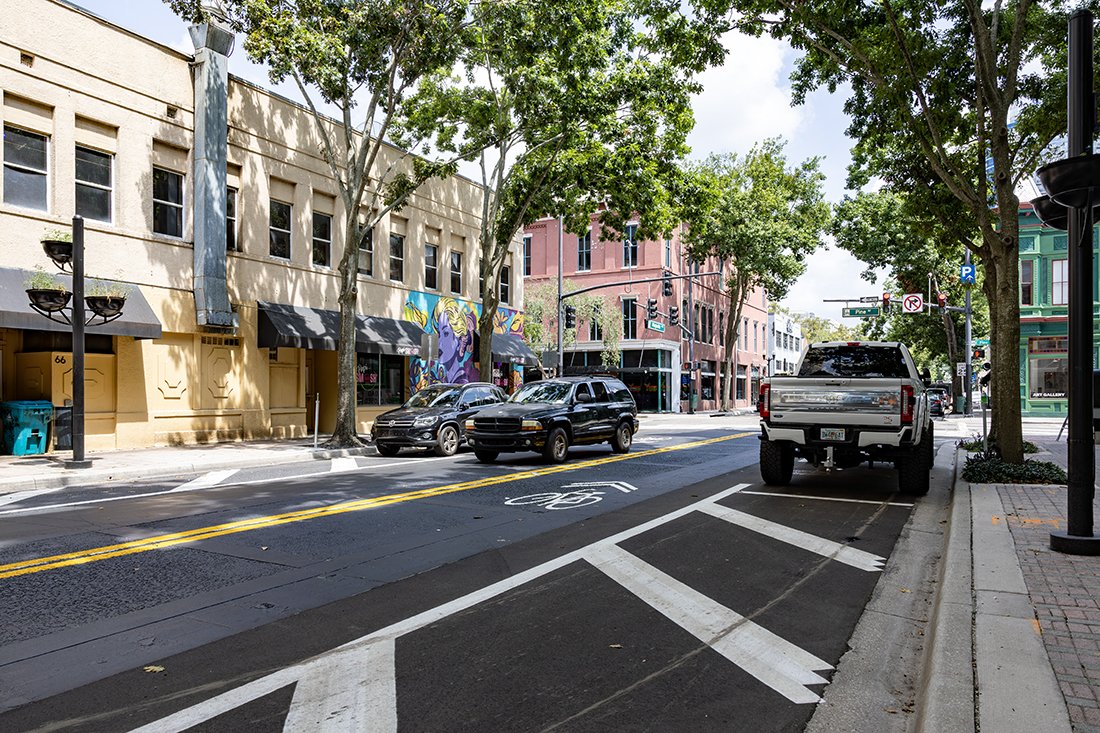
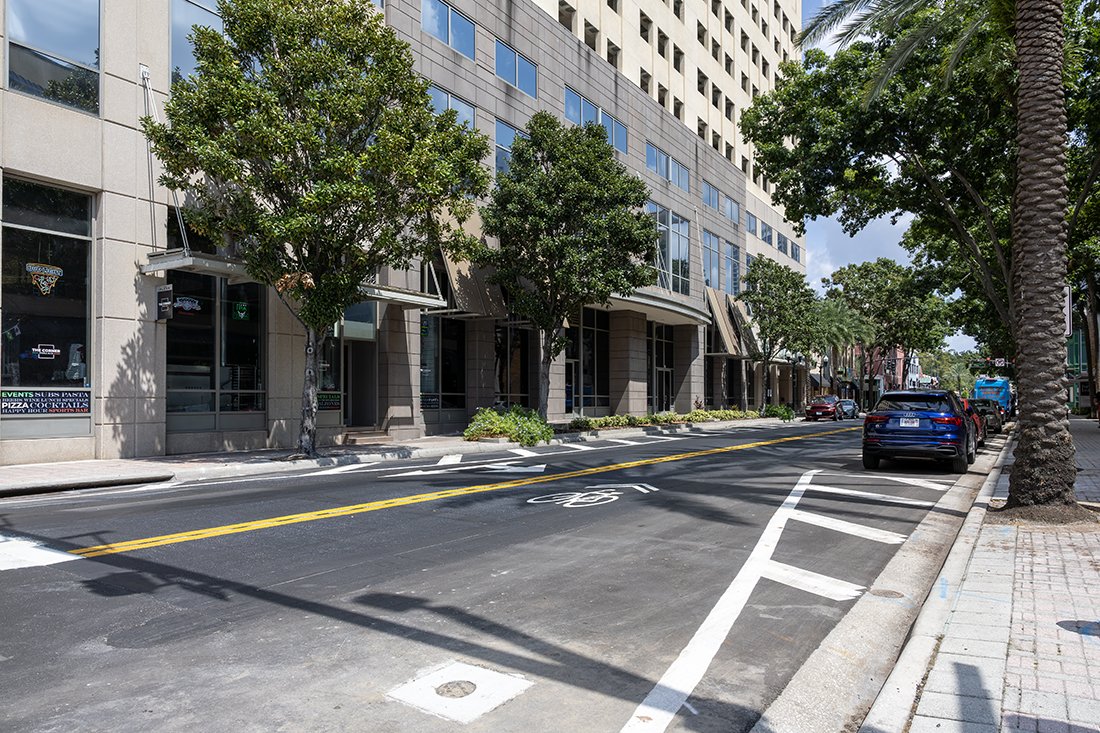
The first phase of the Magnolia Avenue improvements restores two-way traffic while incorporating roadway, on-street parking, transit, pedestrian, and bicycle enhancements designed to create a safer, more intuitive, and more walkable downtown corridor.
Designing for the Downtown of Tomorrow
Returning Magnolia Avenue to a two-way corridor required coordination among multiple agencies, detailed traffic analysis, and engineering solutions that balanced the needs of a busy downtown environment. While the previous configuration efficiently accommodated commuter traffic, DRMP’s updated design creates new opportunities for improved access, multimodal connectivity, and a more inviting corridor for people traveling through the Historic Business District.
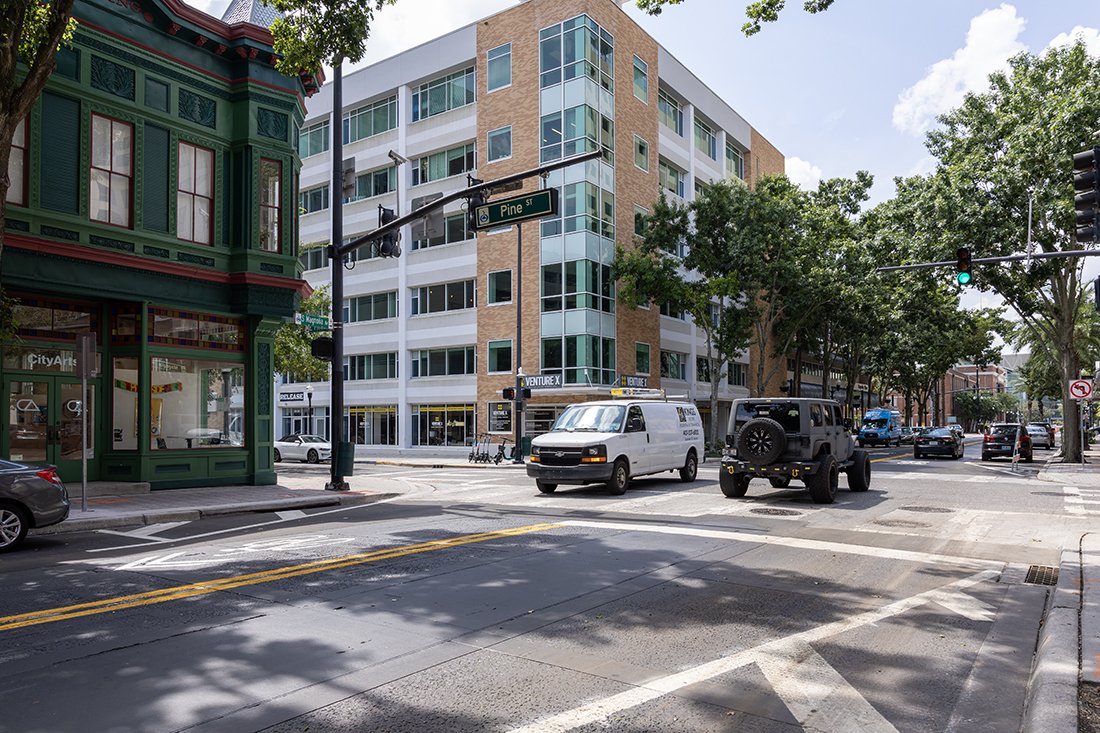
Photo credit: Merary Portillo/DRMP
Working closely with the City of Orlando, the Florida Department of Transportation (FDOT), and LYNX, Central Florida’s public bus system, DRMP addressed the roadway, traffic, and transit elements needed to deliver improvements throughout the first phase of the corridor transformation.
In addition to the roadway reconfiguration, the Phase 1 improvements include:
- Incorporating bicycle, pedestrian, and transit improvements throughout the corridor
- Adding on-street parking to improve access to downtown businesses and destinations
- Removing existing concrete and landscaped medians and modifying corridor features to support the new roadway configuration
- Modifying traffic signals at key intersections
- Installing new signage and pavement markings
- Milling and resurfacing the corridor
- Conducting traffic modeling to evaluate operational performance
- Performing structural analyses of existing traffic mast arms
The project also includes changes to LYMMO, the bus rapid transit system in downtown Orlando operated by LYNX. As part of the Phase 1 roadway redesign, most dedicated LYMMO bus lanes along Magnolia Avenue will be removed, and bus operations will be incorporated into the general traffic flow as the corridor transitions from a one-way to a two-way roadway. Coordinating these transit changes was an important part of maintaining downtown transit service while implementing the new roadway configuration.
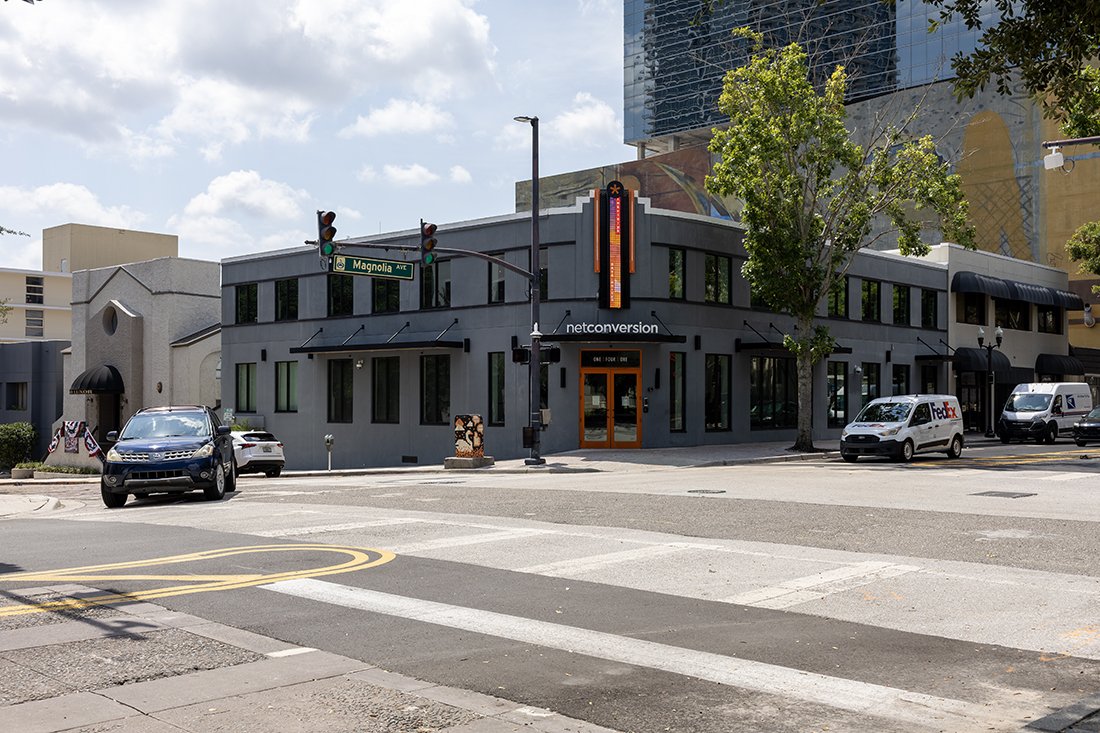
Photo credit: Merary Portillo/DRMP
Downtown’s Next Chapter
The Magnolia Avenue – Phase 1 Improvements represent one of the first major implementation steps of the City’s DTO Action Plan. The plan includes future two-way conversions of Orange and Rosalind avenues, two high-traffic commuter roads.
These improvements will help create a more cohesive, intuitive street network, strengthen connections between downtown destinations, and improve access as part of the City’s efforts to attract new retail and private investment downtown.
As downtown Orlando continues to evolve, Magnolia Avenue represents a renewed approach to how streets function, not only as transportation routes, but as connections between the places where people live, work, and gather.
Check out the photo gallery below to see more photos of the project's progress.