Highlands, N.C., sits more than 4,100 feet above sea level on the Highlands Plateau within the Blue Ridge Mountains. With a population of just over 1,100, this affluent town is small, but its seasonal traffic volumes are not. During the summer months, visitors from all over, including Georgia and Florida, travel to Highlands to hike, see waterfalls and wildflowers, and escape the heat, as daytime temperatures typically remain in the low 70s due to the town’s elevation. This seasonal influx places significant demand on a limited network of steep, winding mountain roads, many of which were not originally designed to accommodate today’s traffic volumes or emergency response needs.
Recognizing these challenges, the North Carolina Department of Transportation (NCDOT) tasked DRMP, under a continuing services contract, with providing design and engineering services for a critical bridge replacement on Dillard Road (State Road 106). This road serves as a major access route into Highlands from northern Georgia, crossing Middle Creek on the slopes of Scaly Mountain. DRMP delivered multiple services, including roadway and structural design, bridge hydraulics analysis, drainage design, traffic control planning, pavement marking and signing, and erosion control.
DRMP engineers of record on this project, Roadway Chief Engineer Chris Haire, PE, CPM, and Drainage Group Leader Ryan Mitchell, PE, led the work. Hair handled roadway design while Mitchell was responsible for hydraulics analysis and drainage design.
“Middle Creek presented some tricky hydraulics and drainage challenges,” Mitchell said. “Balancing flow capacity with environmental sensitivity really tested our problem-solving abilities.”
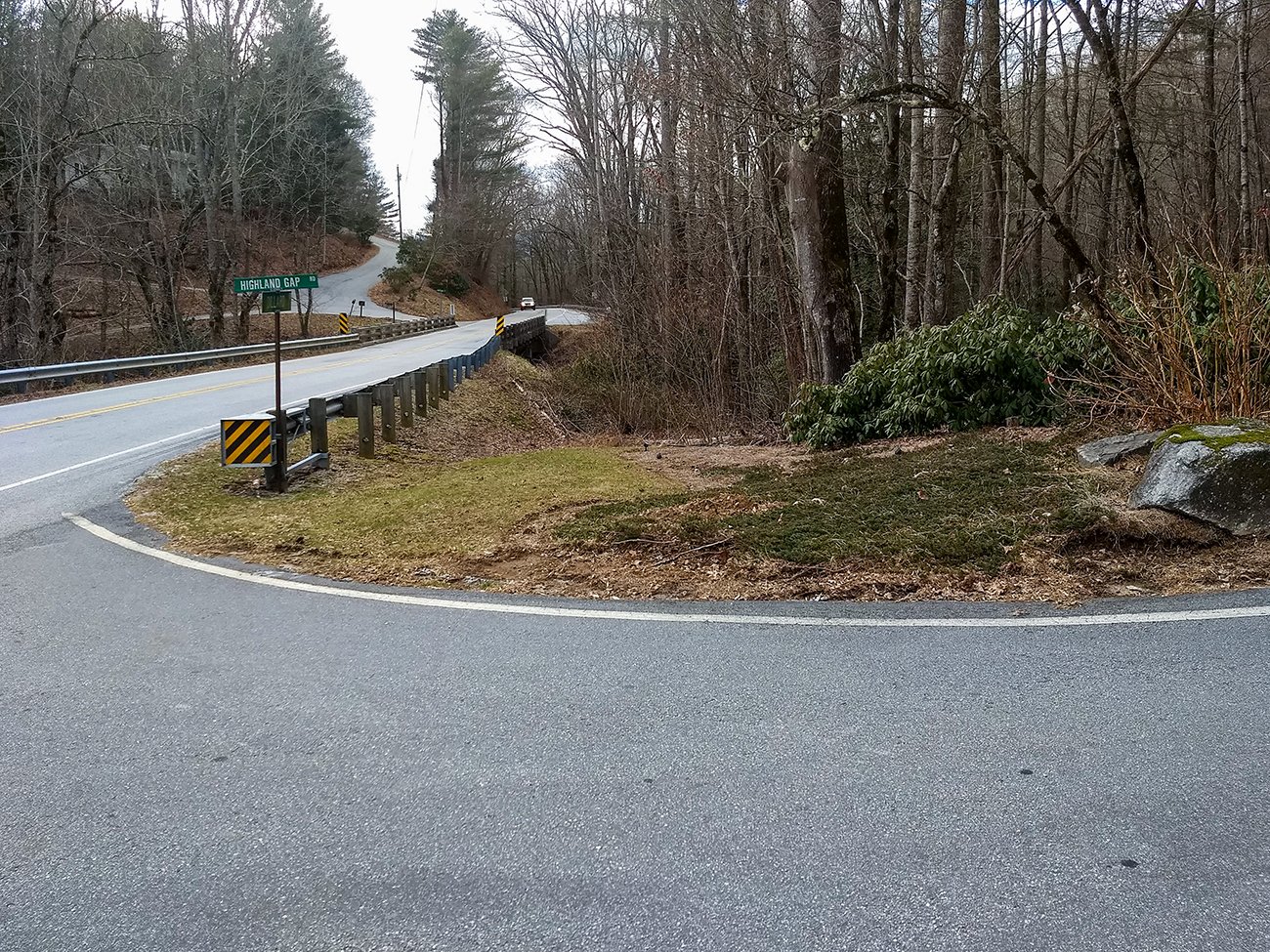
The existing bridge at this location had become functionally obsolete. Built decades ago, the structure was extremely narrow – about 18 feet wide – and showed signs of deterioration, including rusting steel components and a poor sufficiency rating. Two-way traffic could barely pass, bridge signs were frequently struck, and emergency access was increasingly compromised.
“The corridor was extremely tight,” Haire said. “The old bridge was so narrow it was nearly hit on several occasions. Vehicles kept striking the signs. They were constantly knocked down.”
In addition to its condition and narrow width, maintaining reliable, two-way access for emergency vehicles across state lines was a key driver in the need to replace the structure. The bridge serves fire and rescue operations that support not only Highlands, but also portions of northern Georgia, including access to a nearby fire and rescue facility with a helipad.
Appearances can be deceiving, as this project demonstrates that even the smallest of bridges can require a high level of engineering expertise.
Design Hurdles
The project involved multiple challenges, one of which required the acquisition of a residential home to enable roadway realignment and achieve a workable design.
From the outset, the project was constrained by terrain, access, and traffic requirements. There was no viable detour route through the mountains, so the bridge had to remain open throughout construction. To accomplish this, DRMP designed a staged construction approach that allowed a new two-lane bridge to be built alongside the existing structure while traffic was shifted as construction progressed.
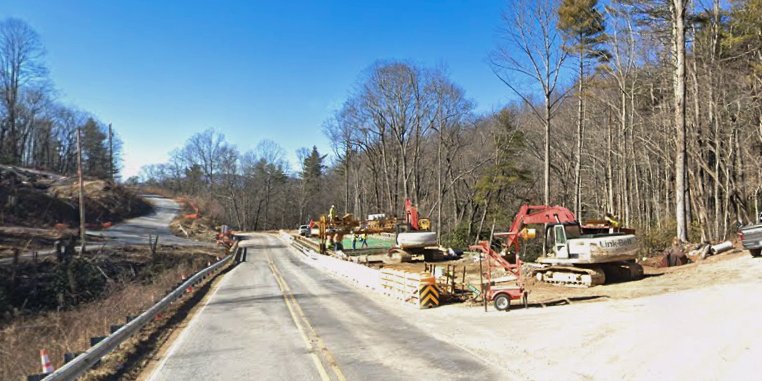
Photo credit: Google Maps
The original bridge was located within the dense Nantahala National Forest, which is federally managed by the U.S. Forest Service. Multiple private driveways intersected the main road near both ends of the crossing. On one side of the bridge, a driveway met the road at a steep angle, adding geometric constraints and making the approach more challenging.
Extensive coordination was required throughout the project. DRMP worked with the U.S. Forest Service to secure right-of-way approvals where federal land abutted the project, as well as with the North Carolina Wildlife Resources Commission (NCWRC), U.S. Fish and Wildlife Service (USFWS), U.S. Army Corps of Engineers (USACE), Federal Highway Administration (FHWA), and adjacent property owners. Each agency’s requirements influenced the final design, construction limits, and schedule.
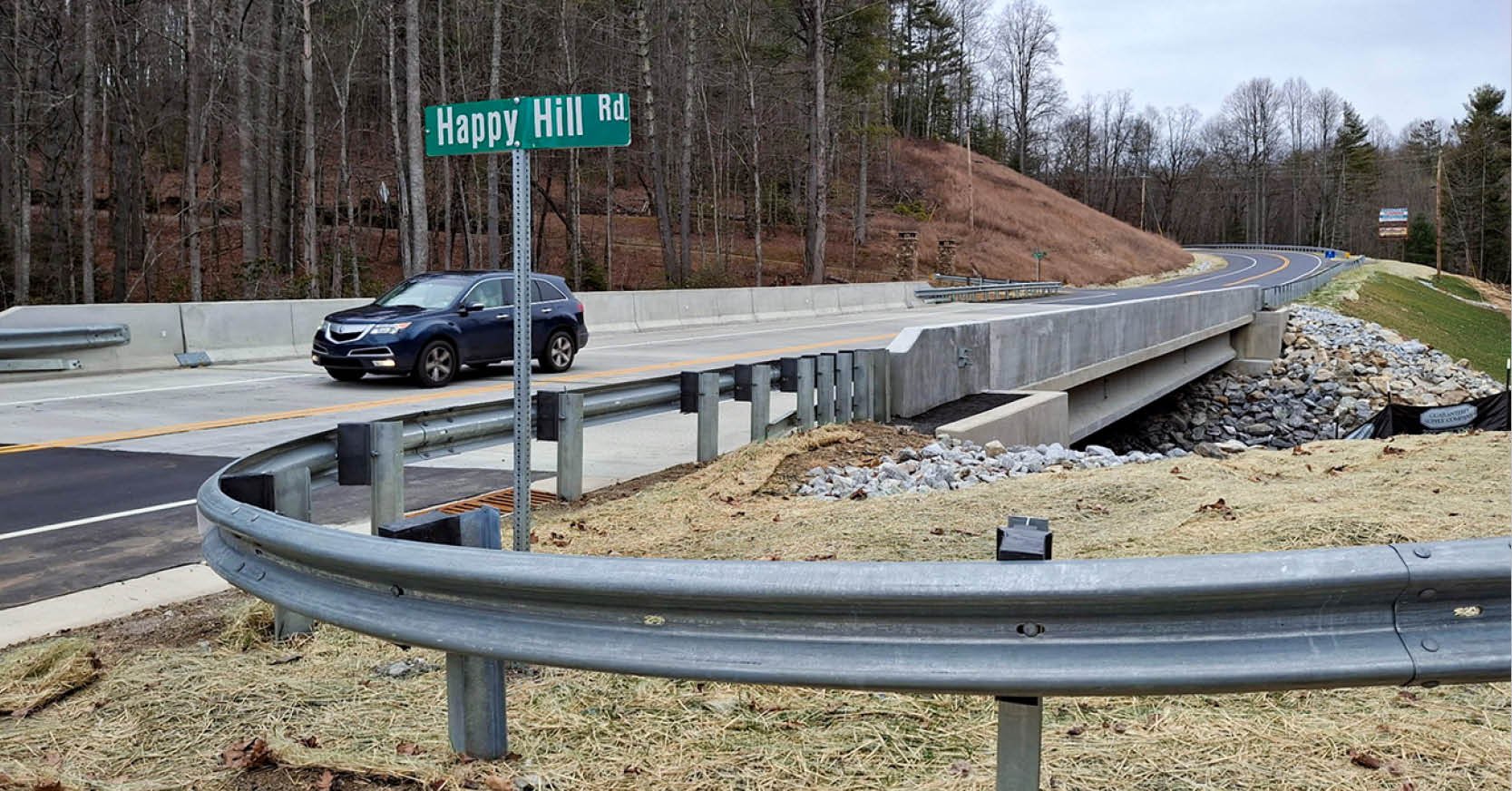
Widening the bridge deck to current standards (approximately 40 feet) improved safety on the structure itself. However, given the constrained site, a conventional widening would have required steepening the adjacent approach grades to unsafe levels.
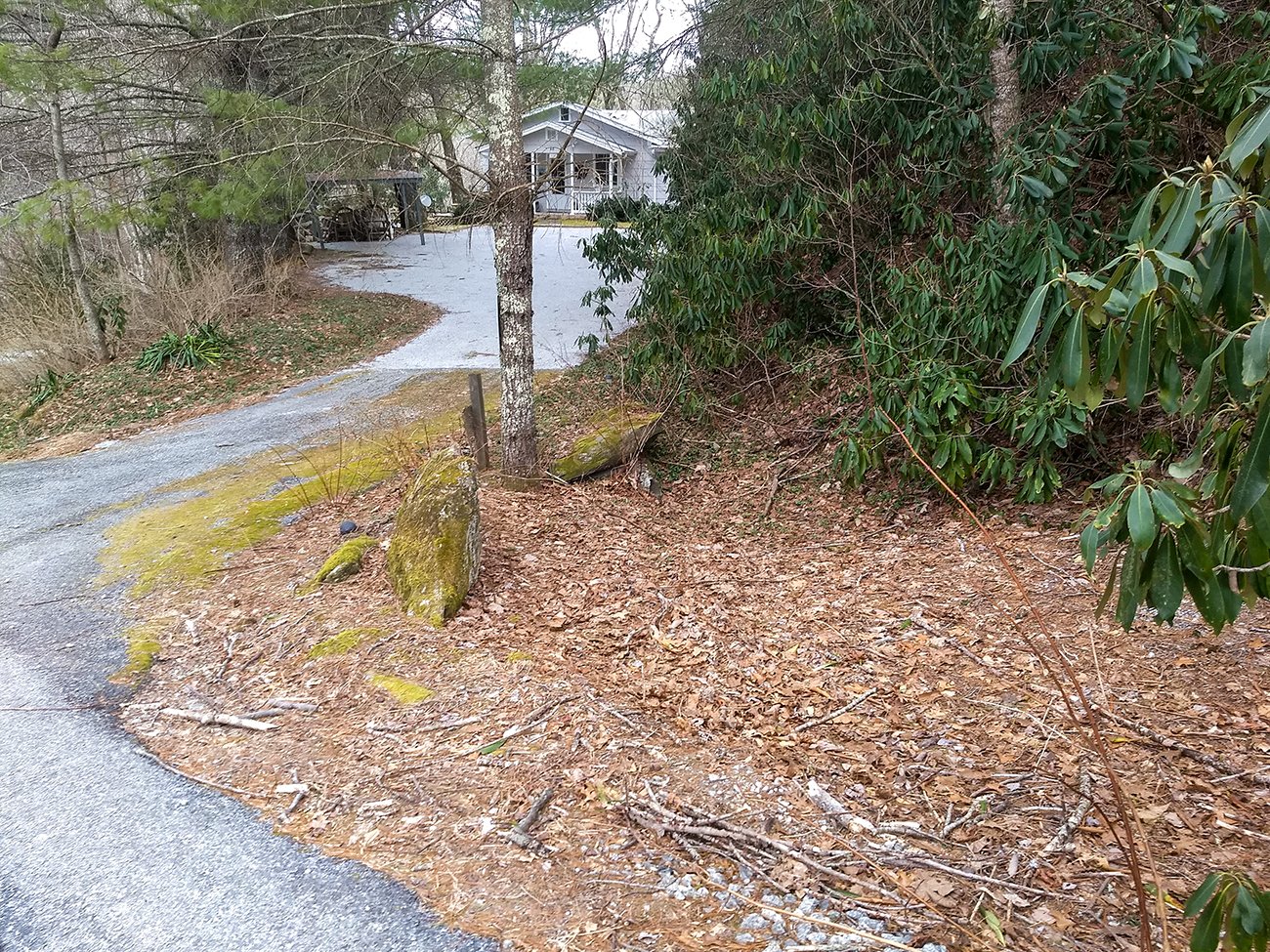
Working closely with NCDOT, DRMP redesigned the roadway geometry and approach alignment. The solution required cutting back an existing hillside, removing an obsolete road segment, and realigning the approach to flatten the grade. This redesign was only possible because a nearby homeowner agreed to sell his property, allowing a house to be removed so the alignment could be shifted.
“The homeowner was willing to work with us,” Haire said. “Because of that, we were able to take the house and adjust the road to a safer, more manageable grade. The willing seller made it possible to resolve what would otherwise have been an unsolvable geometric constraint in an already narrow mountain corridor.”
Stream Protection
Drainage and hydraulics were equally challenging. The bridge crosses Middle Creek, a sensitive stream within a biologically diverse watershed. DRMP provided bridge hydraulic and drainage design to ensure the new structure could safely convey water flows while minimizing impacts to the stream.
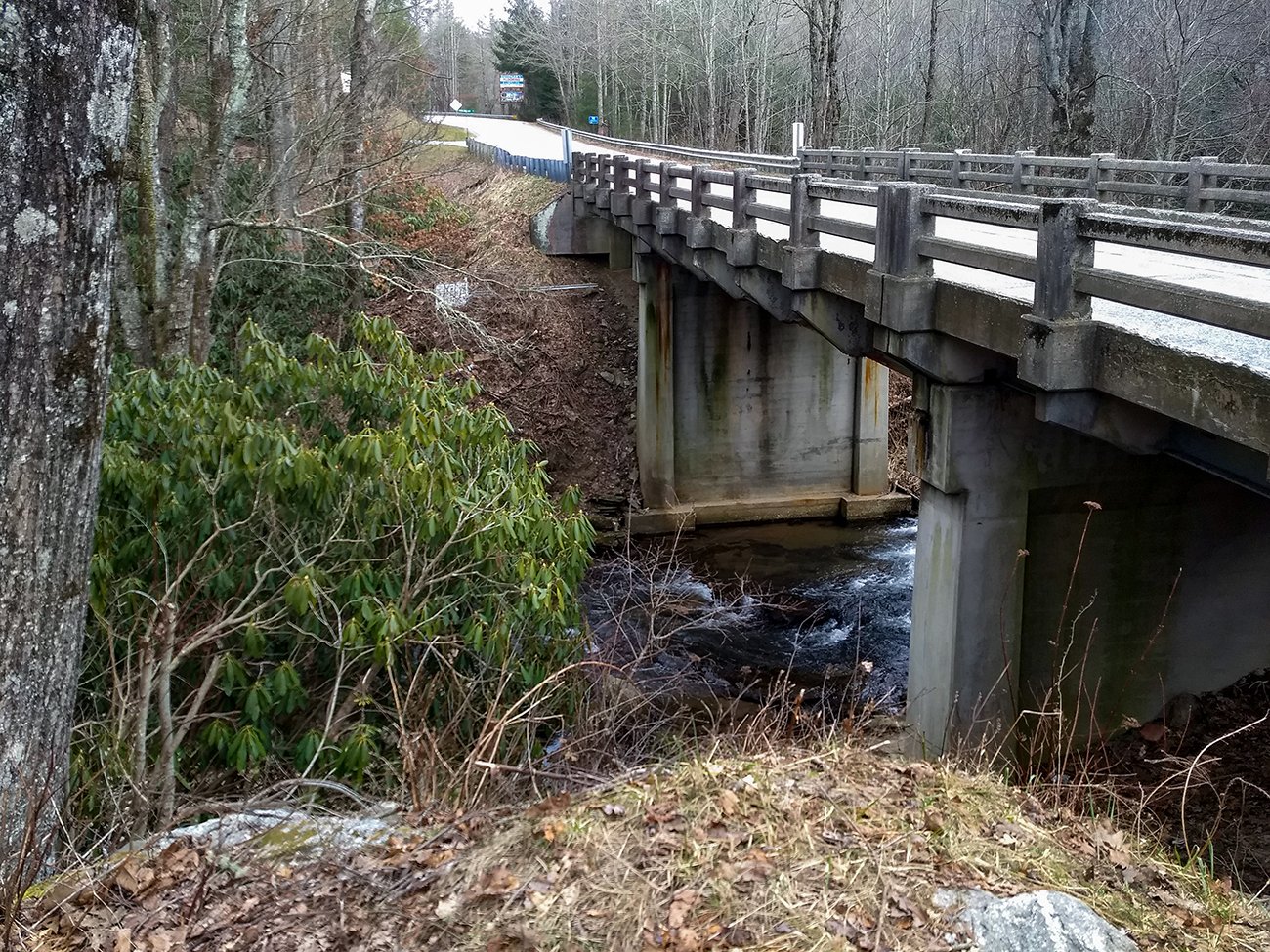
At the request of the NCWRC, NCDOT adhered to an in-stream and 25-foot buffer work moratorium from October 15 through April 15 to protect trout during egg and fry stages. Sediment and erosion control measures were designed to meet standards for sensitive watersheds, adding another layer of complexity to construction sequencing and staging.
“On a project like this, the environmentally sensitive watershed dictates what you can and can’t do,” Mitchell said. “The hydraulics and drainage drove a lot of the overall design.”
Constructed in 2025, the new bridge meets current standards, provides a safer and wider crossing, and restores dependable access along a key mountain corridor.

Ryan Mitchell, PE, serves as a Drainage Group Leader in DRMP’s Raleigh, N.C., office for the Transportation Market Sector.