Every four years, the American Society of Civil Engineers (ASCE) releases a national report card on the condition of the United States’ infrastructure. The most recent report card was released in March 2025 showing the nation receiving an overall grade of C, up from a C‑ in 2021 – the highest grade since the report card was first introduced in 1998. The improvement is largely due to federal investments in the country’s infrastructure. While this marks improvement, it also underscores the ongoing challenges affecting our bridges and infrastructure systems.
Many bridges are aging, carrying more traffic than they were designed for, and exposed to harsh environmental conditions that steadily degrade materials. Addressing these challenges requires engineers to apply engineering judgment, solve complex problems, and develop creative solutions to determine whether a bridge should be rehabilitated or replaced.
Our structures experts at DRMP analyze structural conditions, service life evaluation, cost comparisons, constructability, and traffic impacts to help clients identify the most effective and durable solutions.
Understanding the Condition of Bridges
The United States has more than 619,000 bridges, according to the National Bridge Inventory (NBI) database, and more than one-third of bridges need major repair or replacement, the American Road & Transportation Builders Association (ARTBA) reports. A small portion of bridges are classified as structurally deficient, which means one or more critical components such as the deck, superstructure, or substructure are in poor condition. This does not mean a bridge is unsafe or about to collapse; regular inspections, typically every two years, allow engineers to track corrosion, cracking, and section loss before they become critical. By analyzing inspection findings alongside deterioration mechanisms with remaining service life, DRMP helps bridge owners understand the condition of their structures and determine the right time for intervention. When problems are identified, measures such as repairs, load restrictions, or permits for heavy vehicles can manage risk while long-term solutions are planned.
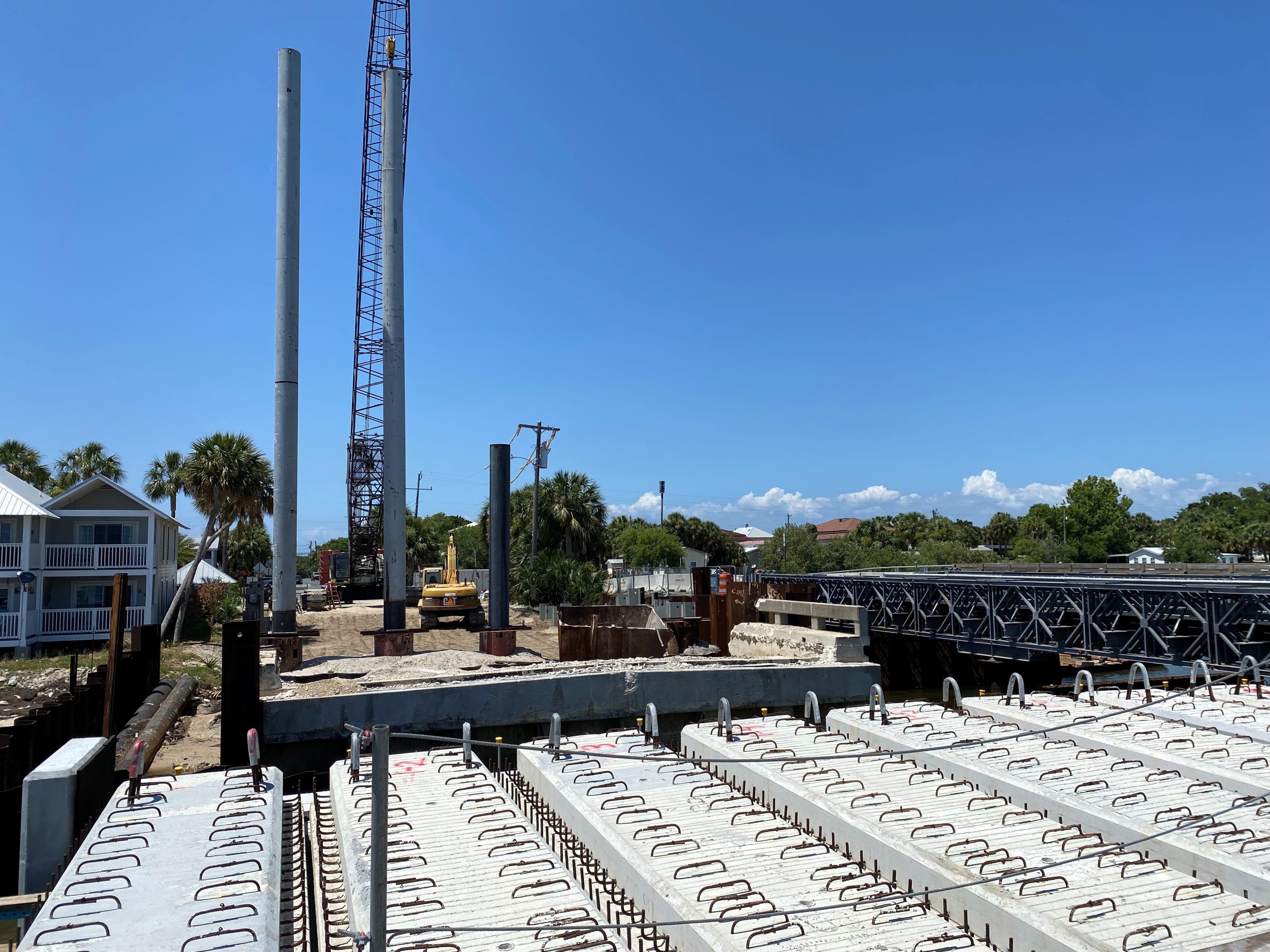
Cedar Key Bridge Replacement in Cedar Key, Fla.
Bridges are designed for a service life of 75 years, but the actual condition of a bridge often shortens that timeline. Traffic volumes frequently exceed original projections, and environmental factors such as saltwater, humidity, heat, freeze-thaw cycles, and de-icing chemicals accelerate deterioration. Over time, these factors combined with daily vehicle loads degrade structural elements, creating the need for an evaluation and timely intervention.
Balancing Rehabilitation, Replacement, and Innovation
Deciding whether to rehabilitate or replace a bridge depends on how much service life remains and what it will take to replace it safely. DRMP works with clients to weigh factors such as remaining service life, constructability, traffic impacts, and life-cycle cost to identify whether rehabilitation or replacement offers the best long-term value.
Rehabilitation is often effective for bridges that are newer or have localized issues. Solutions can include retrofitting girders and replacing bridge decks, joints, and bearings. These interventions provide corrective measures while minimizing disruption and cost. For older bridges, particularly those over 60 years old, replacement often provides better long-term value and resilience, reducing the need for repeated maintenance and ensuring the structure meets modern demands.
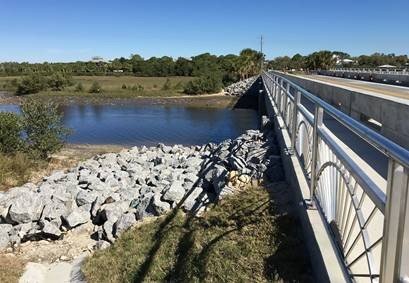
Gulf Boulevard Over Lewis Pass Bridge Replacement in Levy County, Fla.
Traffic impacts and community considerations also play a key role. Determining when to use an innovative approach, such as using new materials and advanced construction methods, works best when it solves a specific problem, fits site conditions, and meets budget constraints. Lane closures, detours, and construction staging affect public safety, commerce, and daily life, so engineers must weigh cost, schedule, and public impact. Examples of other innovative approaches include using high-strength concrete to increase a structure’s durability; unmanned aerial vehicles (UAVs) and sensors to provide more accurate inspection data; and accelerated construction techniques to reduce lane closure time. DRMP helps meet these expectations and challenges with experience evaluating material choices and advanced construction methods.
DRMP’s Expertise in Bridge Evaluation and Delivery
DRMP approaches bridge projects with a combination of technical expertise and hands-on construction knowledge. Our engineers have extensive experience in design-build and traditional delivery methods, working closely with contractors to develop solutions that are practical, efficient, and responsive to environmental and traffic conditions.
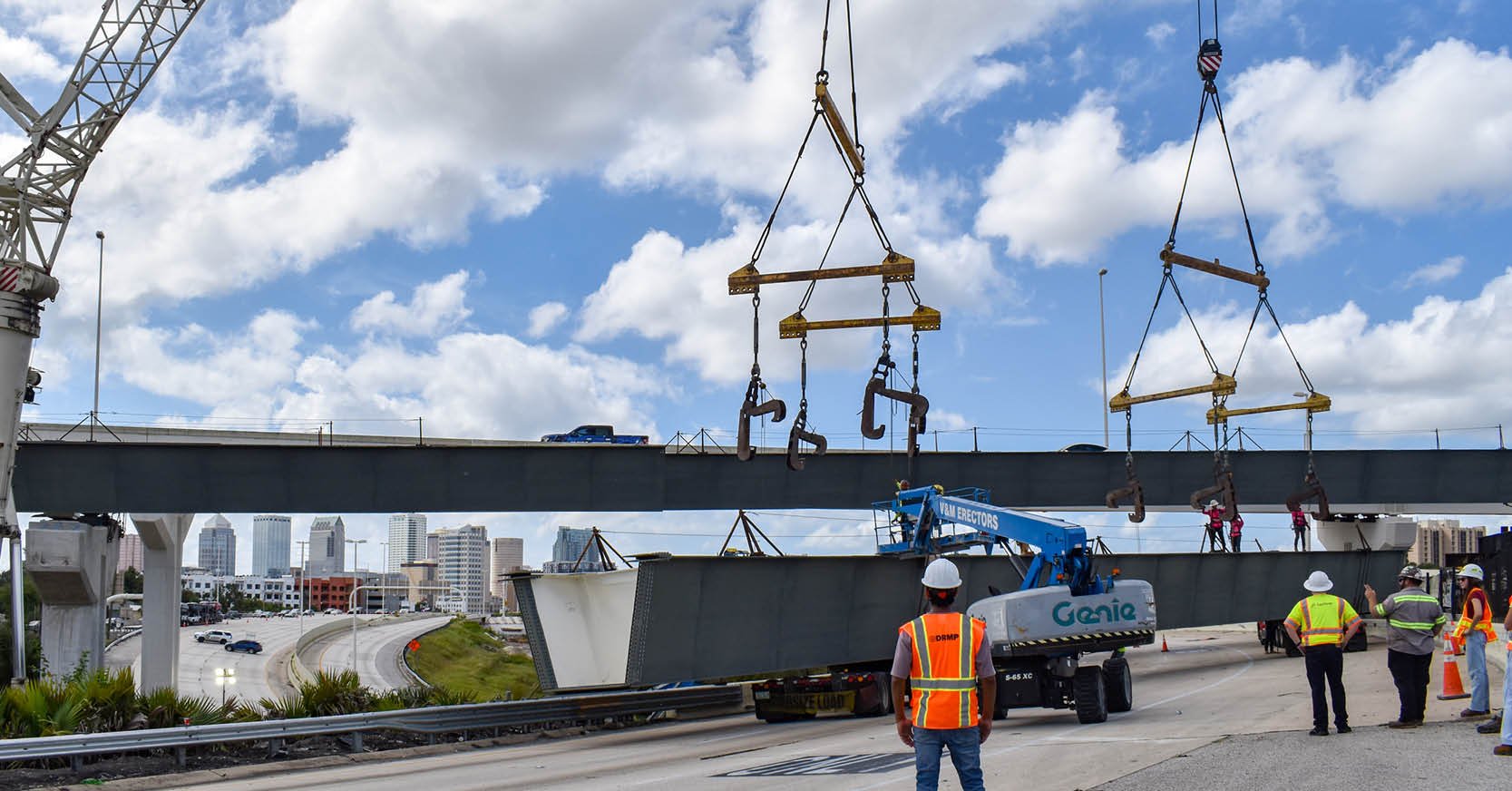
We have delivered complex projects throughout Florida and the Southeast, including major interchanges, airport access bridges, and rural rehabilitations. In Florida, projects such as the Downtown Tampa Interchange, which passes through the heart of Downtown Tampa, feature 12 bridges and a combination of widening and new construction. The project required complex traffic shifts, close coordination with stakeholders, and significant community input, particularly because it passes through historic Ybor City. These elements demonstrate DRMP’s ability to manage highly technical, fast-paced work while minimizing traffic impacts.
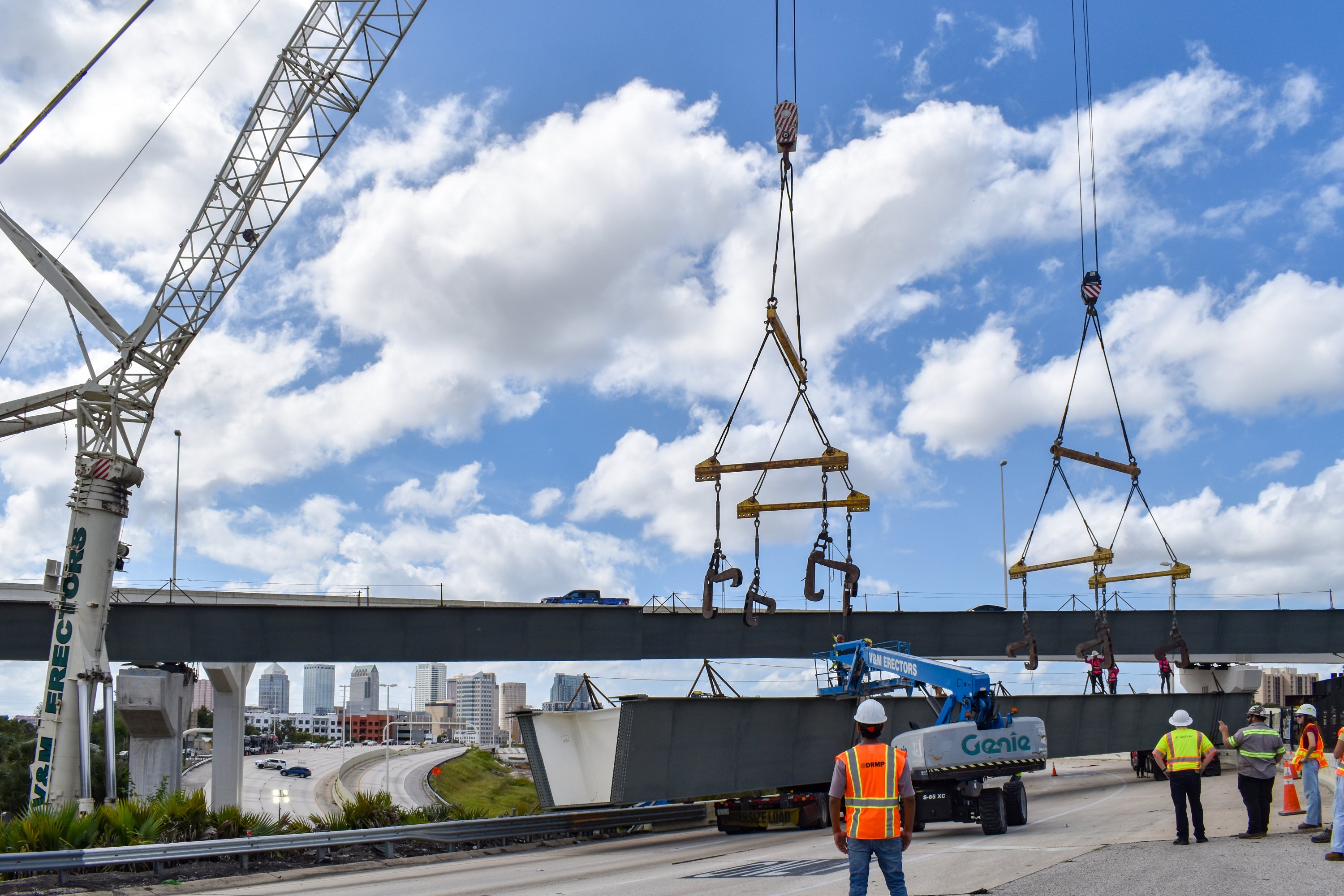
Downtown Tampa Interchange in Tampa, Fla.
DRMP also has extensive experience working with existing bridges in rural areas with traffic access to only local communities. Rural areas require special considerations, which may include temporary detours, phased construction, and community input. For example, the existing Daughtry Bayou bridge replacement in Levy County highlights the usage of a temporary detour bridge while removing and replacing the existing bridge.
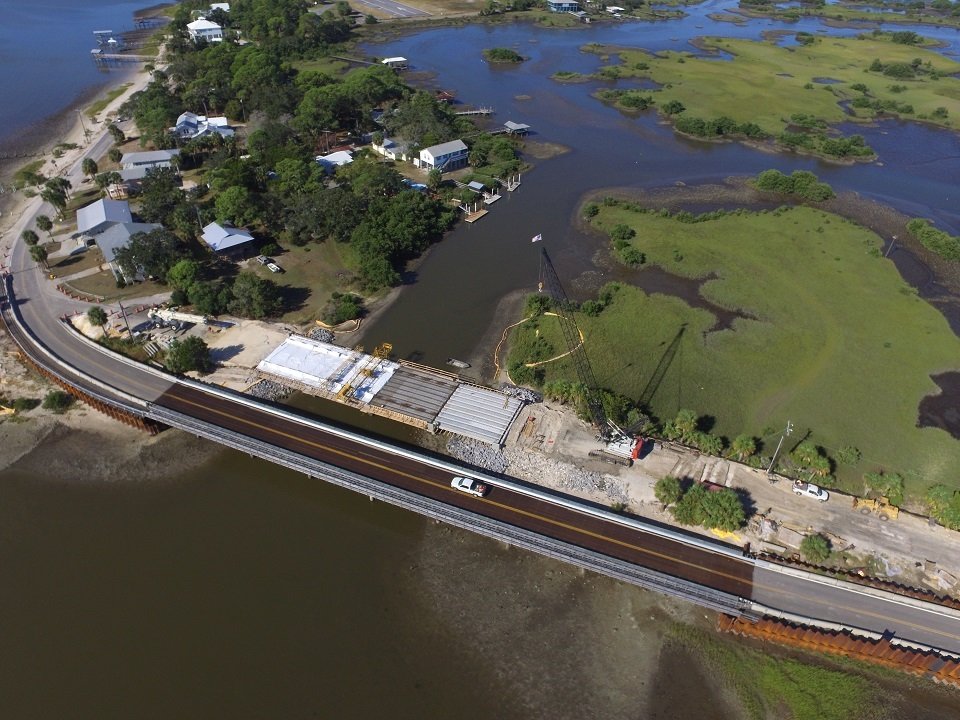
Daughtry Bayou Bridge Replacement in Levy County, Fla.
Designed by DRMP to improve safety and traffic flow at the north entrance to Orlando International Airport (MCO), the SR 528/SR 436 Interchange Reconfiguration project incorporated complex steel design elements while creating a welcoming first impression for airport visitors. The work required balancing structural design, aesthetics, and constructability on a fast-paced schedule. DRMP completed the design in just one year and delivered a solution that was functional and visually appealing.
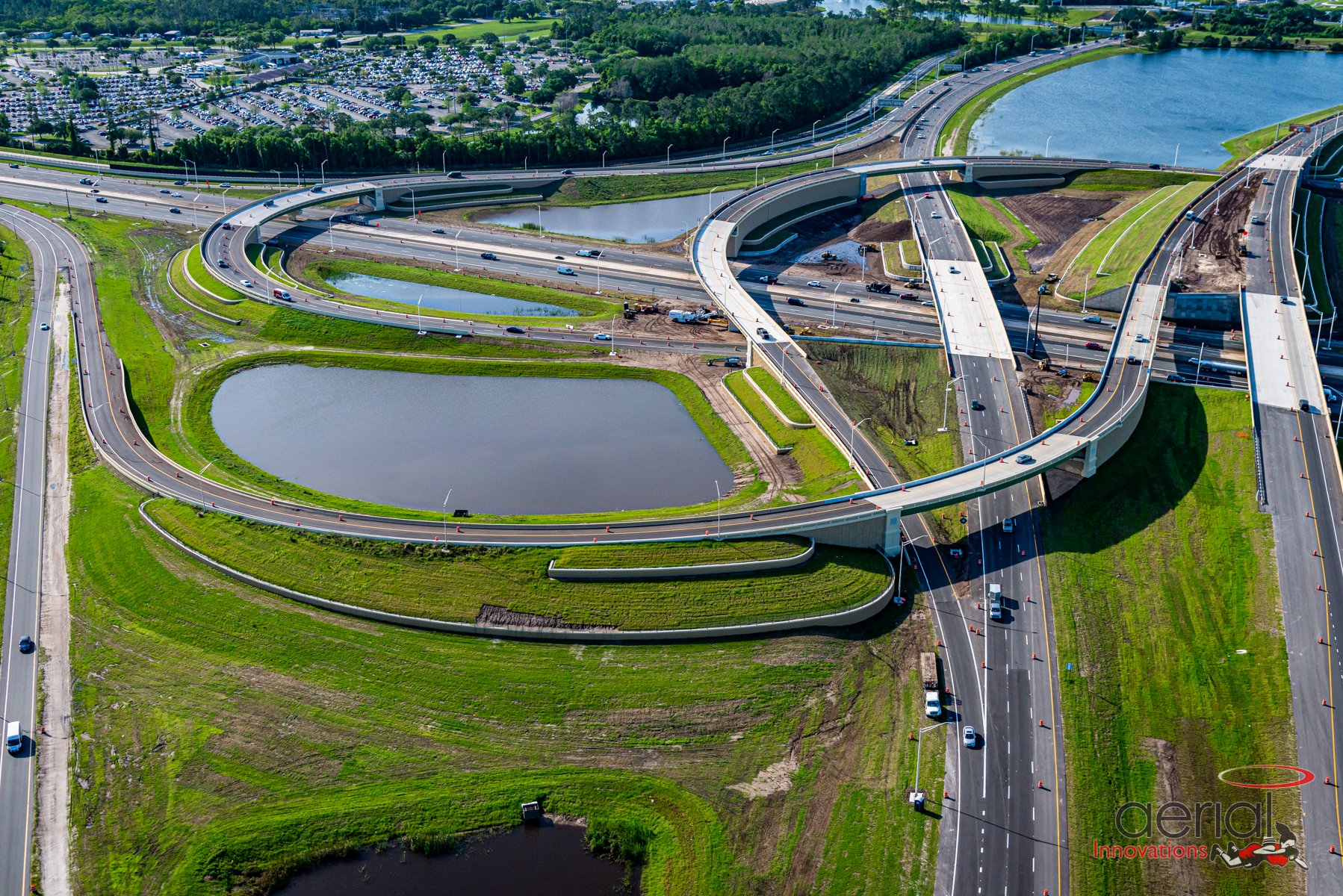
SR 528/436 Interchange in Orlando, Fla.
Supporting Bridge Decisions Across the Southeast
In North Carolina alone, there are more than 19,000 bridges, according to ARTBA’s federal inventory. More than 5,100 are identified as needing significant repair or replacement, and roughly 1,380 are classified as structurally deficient.
DRMP supports the state’s bridges through its statewide structures contract with the North Carolina Department of Transportation (NCDOT), providing in-service inspections and assessments that inform decisions on whether to rehabilitate or replace bridges. This work relies on detailed evaluations and strategic planning to balance structural performance, cost, and community impact, ensuring bridges remain safe and reliable for decades.
By combining technical expertise, construction insight, and a commitment to innovative approaches, DRMP helps clients make informed, long-term decisions about their bridge infrastructure. These decisions are critical to keeping bridges safe, functional, and prepared to meet the transportation needs of the future.