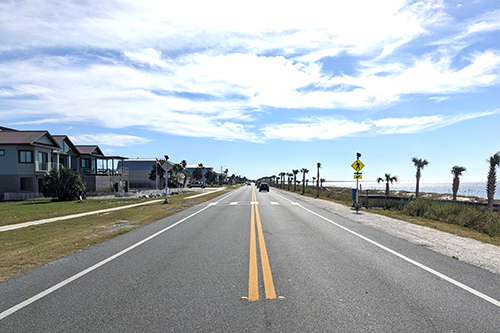
Located along Florida’s Gulf Coast in Bay County, Mexico Beach is a small coastal community connected by US 98 (SR 30), a crucial roadway for residents and visitors. It provides access to the beach, homes, businesses, and neighboring communities along the shoreline. After Hurricane Michael devastated the area in 2018, rebuilding efforts have brought new attention to how this corridor can better serve the city.
The Florida Department of Transportation (FDOT) selected DRMP to conduct a Project Development and Environment (PD&E) study for a proposed multi-use path along US 98. The project is part of FDOT’s Great Northwest Coastal Trail system and is intended to strengthen regional connectivity while supporting long-term transportation needs.
The proposed 4.2-mile multi-use path would extend along US 98 from west of the Mexico Beach city limits at Crooked Sound Drive, with an additional segment connecting the US 98 and 15th Street intersection to CR 386 along 15th Street. It is designed to improve bicycle and pedestrian safety, expand recreational opportunities, and support economic growth.
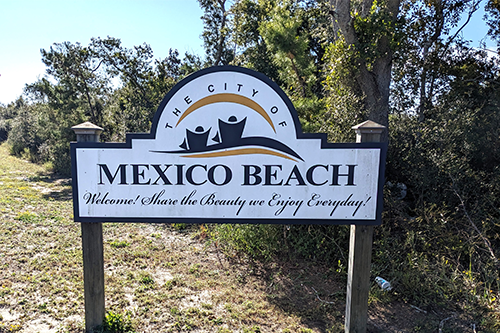
DRMP’s Project Development and Environmental Services (PDES) team helped assist Mexico Beach’s recovery from Hurricane Michael's devastating impact, which struck the area as a Category 4 storm and damaged or destroyed 85 percent of the city’s homes. The multi-use path is an important step toward revitalizing the community.
Since the hurricane, the city has focused on rebuilding by studying resilience, collaborating with state and federal agencies, and implementing new ordinances to enhance growth while preserving its small-town charm.
Project Goals
The primary goals of this PD&E Study – which started earlier this year and is expected to be completed in mid-2026 – are to develop and evaluate viable alternatives that align with the project’s objectives; assess environmental impacts; and analyze the project's effects on the social, economic, cultural, natural, and physical environment. The idea is to improve regional and community connectivity through a dedicated multi-use path that supports pedestrian and bicycle traffic.
A key element of the PD&E Study is public involvement. By fostering an inclusive dialogue, our goals are to keep the public informed about project developments and potential impacts, and gather feedback from a wide range of stakeholders to refine the project scope and objectives.
Residents are already expressing excitement for the project.
“I own two properties on US 98 in Mexico Beach, and I wanted to write and let you know I support this project,” wrote one resident in an email to FDOT officials. “It is very much needed.”
Another resident also expressed support for the project to FDOT officials. “We have a property in Mexico Beach on 40th street. We are super excited about the project and can't wait for it to be completed. So needed! All your project goals will definitely be accomplished. Thank you for doing it.”
Why This Project Matters
The proposed multi-use path is a strategic response to the growing demand for alternative transportation options. With increased population growth and tourism, there is a pressing need for facilities that support non-motorized movement.
The path will improve safety and provide dedicated facilities for pedestrians and cyclists, which will help reduce conflicts with motor vehicles. It also will contribute to improved quality of life, offering a safe and enjoyable way for residents and visitors to recreate and explore.
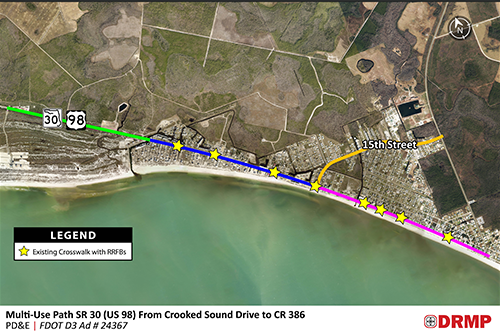
Key to the city’s resiliency plan are stormwater management projects and a citywide Greenway-Blueway trail system to improve water quality, reduce flooding, and bolster storm resilience. The multi-use path along US 98 is a significant component of this effort, supported by the Environmental Protection Agency and FEMA studies and included in Bay County’s Long-Range Transportation plan.
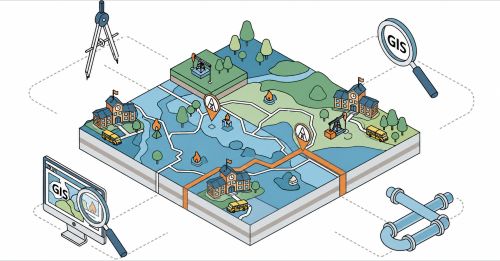
DRMP's approach involves using Mobile LiDAR for efficient and accurate data collection, integrating hydrographic data for a comprehensive project file, and considering Access Management and ADA guidelines in the roadway design with the proposed shared-use path on the north side of US 98 to ensure safety and functionality.
As we advance this project toward final design, DRMP remains committed to ensuring thorough agency coordination, public involvement, technical support, and environmental compliance. By collaborating with all stakeholders, our goal is to achieve FDOT approval for the preferred alternative and successfully complete this project, which will benefit the community and the environment.