As development costs continue to rise, parking infrastructure has become one of the most expensive decisions developers make – and one of the easiest areas to overspend. Without a clear understanding of actual parking demand, projects can end up burdened with unnecessary construction costs, inefficient layouts, and underused spaces.
DRMP’s transportation experts provide parking study expertise for commercial, mixed-use, and residential developments throughout the United States to help clients optimize parking design, improve operations, and reduce development costs.
Structured parking does not come cheap. A single space in a parking garage can cost approximately $50,000-$100,000 to build. For large developments, that figure can climb into millions of dollars. Without a detailed analysis of actual demand, developers risk overbuilding parking and tying up valuable capital in unused spaces.
Understanding Your Parking Requirement
DRMP’s team has experience interpreting local parking codes and applying them to proposed projects. Local codes are often vague and written for standard uses, so determining how a specific site can be brought into compliance can be complex. This interpretation provides an essential foundation for future parking planning and supports requests for parking reductions.
Unique circumstances, such as the differences between affordable and market-rate housing, can create significant variations in parking demand that are not always formally reflected in local codes but can support project financials without sacrificing site use. Meanwhile, existing properties may benefit from updated codes with potential to repurpose or reorient parking facilities to better service the tenants.
Shared Parking Creates Significant Savings
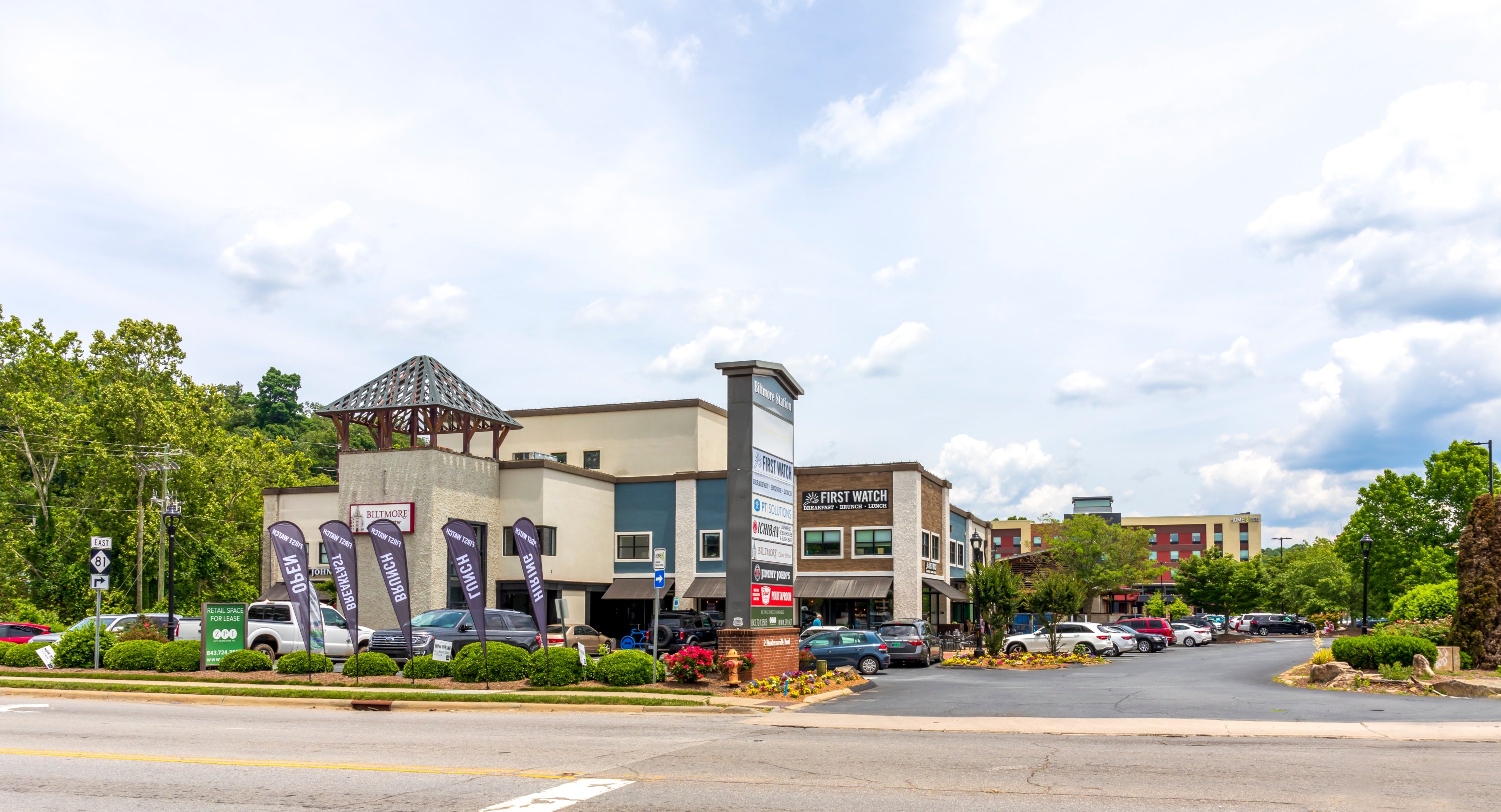
One of the most valuable tools in parking planning is shared parking analysis. Shared parking allows different land uses with varying peak demand times to use the same parking supply. For example, office parking demand typically declines in the evening just as restaurants, entertainment venues, and retail activity increase.
Rather than constructing separate parking structures for each use, developers can evaluate overall site parking needs and design around the combined peak usage periods. In many cases, the total number of required spaces is substantially lower than if each use were calculated independently.
The financial implications are significant. Eliminating just 50 structured parking spaces could save a developer approximately $2.5 million. On larger projects, right-sizing parking infrastructure can result in savings of several million dollars while also freeing up land for additional development opportunities.
DRMP has also helped clients identify situations where projects were significantly overparked. In many mixed-use developments, parking requirements are calculated independently without accounting for the reality that many spaces sit empty for large portions of the day. By analyzing actual parking demand patterns, DRMP has helped developers reduce unnecessary parking construction and reclaim valuable space within their developments.
Designing Parking for Efficiency
Our team recently completed a parking study for a new parking garage serving Bank of America in Charlotte, N.C. The study evaluated the garage’s secured gate system, including how vehicles queue at entry and exit points. While gates improve security and access control, they can also create congestion if not properly designed. DRMP analyzed peak-hour traffic volumes and modeled vehicle stacking to ensure queues would not spill back onto adjacent roadways.
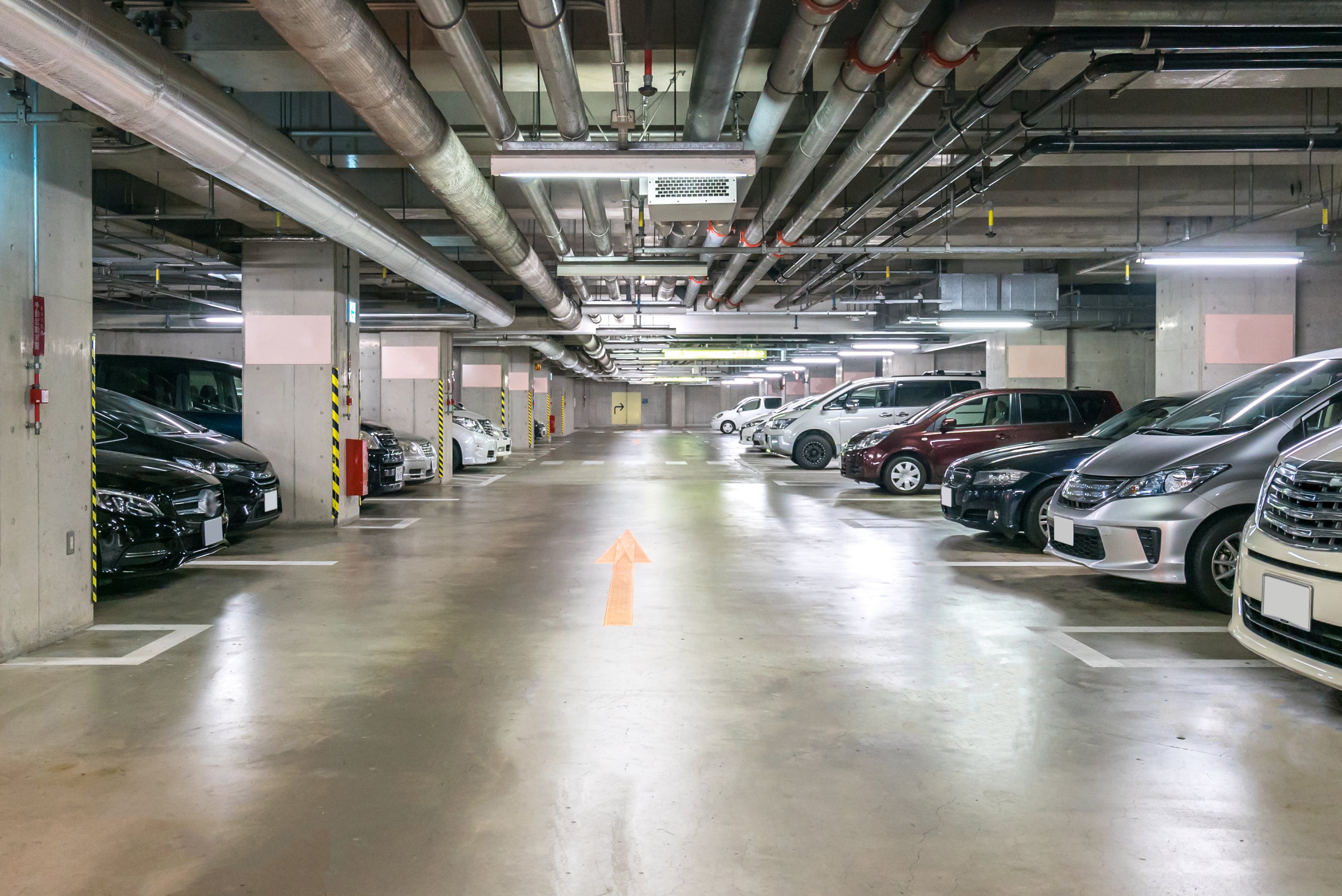
The garage also incorporates smart parking technology that provides real-time information showing where spaces are available on each level. These systems often use overhead indicators – typically green lights for open spaces and red lights for occupied spaces – to help drivers identify available parking. By directing drivers to open spaces more efficiently, the system reduces internal circulation, shortens search times, and minimizes driver frustration. Efficient circulation is critical because inconvenient parking can discourage customers, tenants, and visitors from returning to a site.

The general garage layout was another key component of the Bank of America parking analysis, including ramp design, circulation patterns, and access points. A well-designed garage allows vehicles to move smoothly while maintaining safe pedestrian access. Poor layout decisions, by contrast, can create traffic jams and safety concerns that impact the entire development.
DRMP is also evaluating emerging parking technologies, including automated parking systems such as AUTOParkit. These systems allow drivers to leave their vehicle at a designated drop-off point while a conveyor system automatically parks and stores the vehicle within a parking garage. As these systems gain traction in dense urban environments, such as in cities like Miami, DRMP evaluates how efficiently vehicles can enter, exit, and be processed without causing traffic backups onto surrounding streets.
DRMP also conducted a parking study for Duke Raleigh Hospital as the hospital planned a new tower on its urban campus where available land was limited. Initial discussions centered around constructing an additional parking garage to accommodate projected demand.
Instead, DRMP evaluated the existing parking decks and identified an opportunity to improve efficiency through restriping and circulation changes. The existing garage operated as a two-way facility, which required wider aisles and reduced the amount of usable parking area on each level. By converting the structure to a one-way circulation pattern and redesigning the striping layout, the hospital gained approximately 200 additional parking spaces within the existing structure, eliminating the need to build a new garage. The result saved substantial construction costs while maximizing the use of existing infrastructure.
Helping Clients Prioritize with a Solutions Matrix
Every development presents unique parking challenges, which is why DRMP provides clients with actionable solutions rather than a one-size-fits-all recommendation.
As part of our evaluation and recommendations, DRMP develops a priorities matrix that evaluates potential parking and circulation improvements based on implementation difficulty, cost, and overall impact. The matrix ranked options from high to low priority, essentially creating a menu of strategies clients could choose from based on their operational goals and budget.
Rather than telling the client what they had to do, the matrix helped guide decision-making and allowed stakeholders to focus on the solutions that best aligned with their priorities. This approach often leads to more cost-effective outcomes and greater client confidence in the final plan.
Developers often focus heavily on building design and aesthetics while parking considerations are addressed late in the process. However, parking can be a huge factor in determining whether a development succeeds.
Too little parking can frustrate users and drive customers away. Too much parking can unnecessarily inflate construction costs and erode profitability or housing affordability.
A thorough parking study helps strike the right balance, ensuring convenient access for users while avoiding unnecessary construction expenses. As developments become more complex and budgets tighten, strategic parking analysis is emerging as an essential tool for maximizing operational efficiency, improving user experience, and protecting the financial performance of a project.
If you are interested in having a parking study conducted for your project, please click here.
John Schick, PTP, serves as Traffic Analysis Group Leader for DRMP’s Transportation Market Sector.
Rynal Stephenson, PE, serves as Chief Traffic Analysis Engineer for DRMP’s Transportation Market Sector.