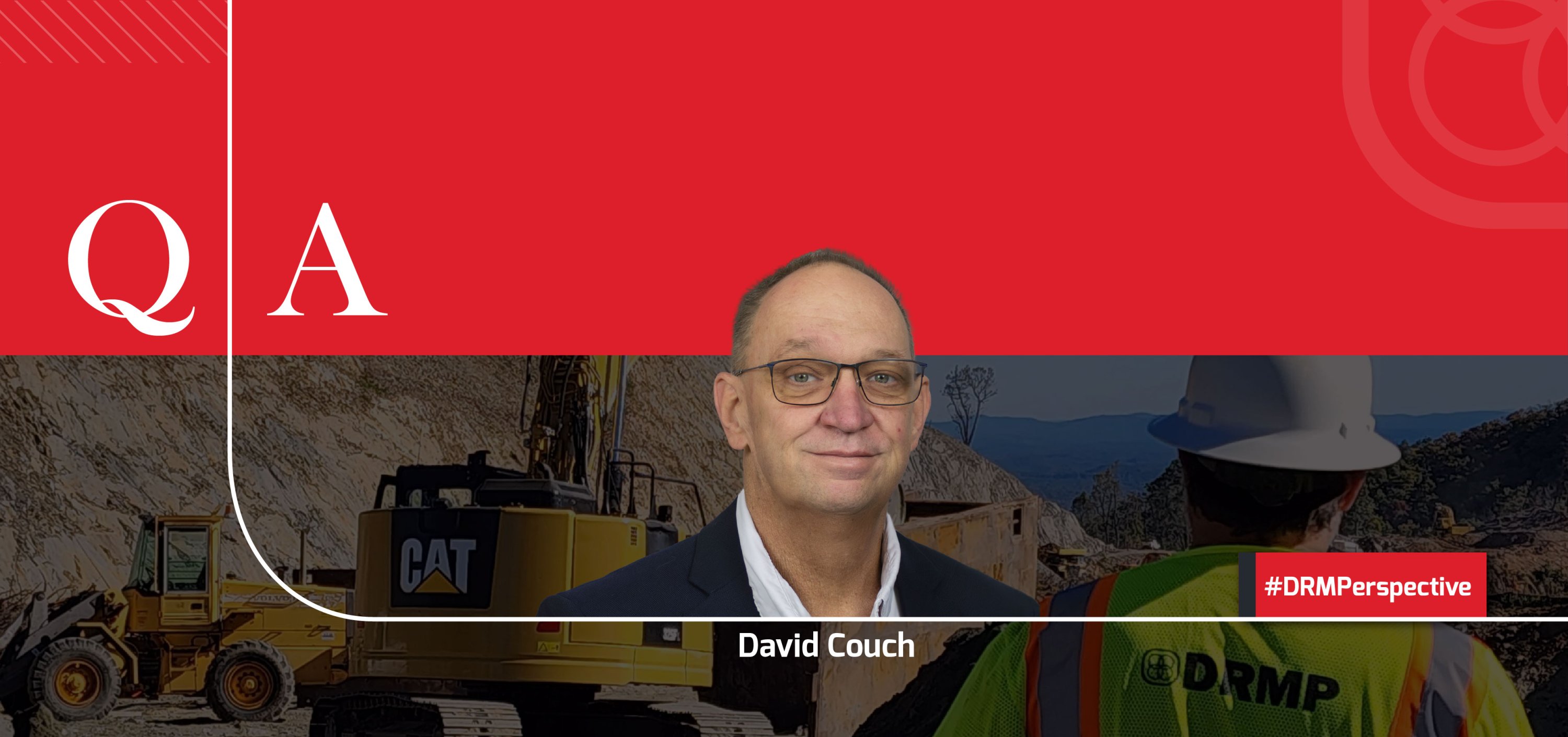
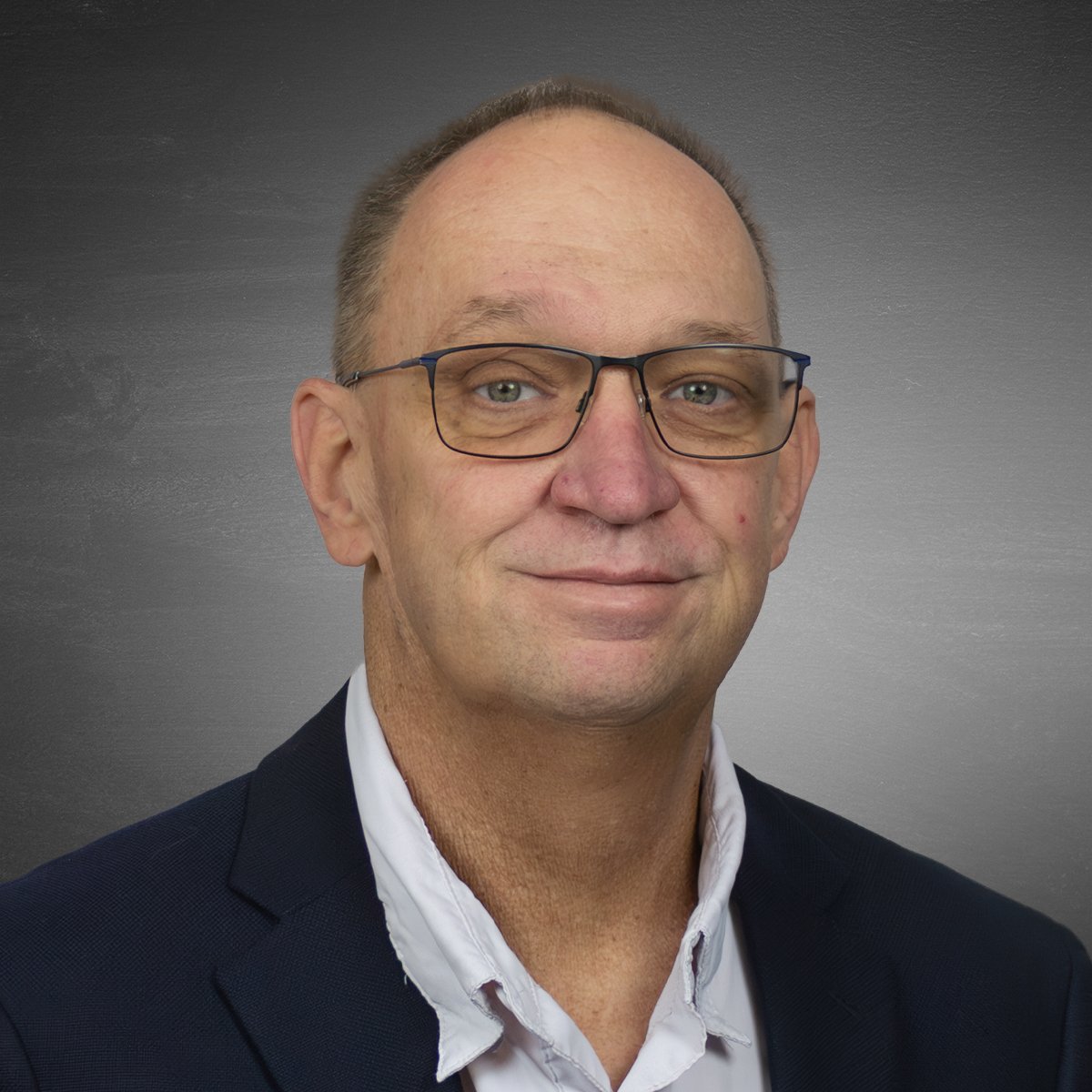
An overloaded power strip. An open file cabinet drawer. A cluttered storage area. These may not be the hazards that immediately come to mind when people think about workplace safety, but according to DRMP Environmental Health and Safety Manager David Couch, they can be just as important as the risks found in the field.
With a background spanning warehouse distribution, general manufacturing, heavy steel manufacturing, construction, maritime operations, and fire rescue, Couch brings a wide perspective to safety leadership. Since joining DRMP in April 2026, he has traveled to the firm’s regional offices and project locations, working to understand operations firsthand and support a culture where safety is a collective commitment and responsibility.
In recognition of National Safety Month, this Q&A highlights Couch’s approach to safety leadership, the challenges facing the engineering and construction industries, and why he views himself as a coach, teacher, and mentor. Underlying that philosophy is a goal that guides his approach to safety: making sure everyone goes home at the end of the day.
With more than 20 years in environmental health and safety leadership, what do you believe separates a strong safety culture from a reactive one?
A strong safety culture is proactive rather than reactive. It's built on visible leadership, employee involvement, and consistent accountability. Organizations with strong cultures don't wait for incidents to drive action. They identify hazards early, encourage employees to speak up, and integrate safety into daily planning and operations.
Throughout my career, including more than 100 Occupational Safety and Health Administration (OSHA) inspections without a fine, I've found that the most successful organizations are those where safety is owned at every level. When leadership is engaged and employees trust that concerns will be addressed, safety becomes part of the way work gets done, which reduces risk and improves overall performance.
You've worked across industries ranging from construction and manufacturing to maritime and distribution. How does that broad experience influence your approach to safety at DRMP?
DRMP’s work spans office environments, field operations, roadway activities, surveying, engineering support, and construction-related services, so it is important that our safety programs are practical, adaptable, and scalable across different types of work. Having worked in dynamic and high-risk environments, I understand the importance of developing programs that not only meet regulatory requirements but also function effectively in real-world operations.
Some of the best safety improvements I’ve seen throughout my career came from involving employees, supervisors, and operational leaders early in the process. That is one of the approaches I want to continue strengthening at DRMP, building programs that support the work our teams perform while encouraging participation, communication, and joint responsibility throughout the organization.
Another benefit of working across industries is the ability to apply lessons learned and best practices from one environment to another. Whether it is hazard recognition, fleet safety, incident prevention, training systems, or field accountability, many successful strategies can be adapted and tailored to improve overall safety performance. My goal is to help DRMP continue building a safety culture that is proactive, sustainable, and incorporated into everyday operations across all business lines.
What are some of the biggest safety challenges facing the engineering and construction industries today?
One of the biggest safety challenges in engineering and construction is managing increasing operational complexity while maintaining consistent performance across multiple projects, teams, and environments. Faster schedules, tighter timelines, workforce shortages, and changing regulations all add pressure.
The industry is dealing with experience gaps as seasoned workers retire and newer employees enter the field. This makes strong onboarding, mentorship, and ongoing training essential for maintaining hazard awareness and safe decision-making.
Mental fatigue, distraction, and heavy workloads are also growing concerns. Employees today are often managing high workloads, extended travel, long hours, changing project demands, and constant communication through phones and technology. These factors directly impact situational awareness and increase risk in field and driving activities.
Consistency across diverse contractors and project teams remains another major challenge, as does managing roadway and fleet safety, which continues to be a leading source of serious incidents.
One of the most important challenges is preventing complacency. Organizations must continuously reinforce hazard recognition, field engagement, planning, and communication to maintain awareness and prevent normalization of risk.
Companies that treat safety as a core part of operations, not just a compliance requirement, are best positioned to manage these risks effectively.
Safety is often associated with jobsites, but you've emphasized that office environments matter, too? What are some of the most overlooked workplace hazards people don't think about?
When people think about workplace safety, they often focus on construction sites or field operations, but office environments have their own set of risks that are often underestimated because they develop gradually.
The most common are ergonomic and repetitive strain issues, things like poor workstation setup, prolonged sitting, and repetitive computer use. These can lead to long-term musculoskeletal injuries that impact health and productivity over time.
Slip, trip, and fall hazards are also often overlooked in office settings, whether from cords, housekeeping issues, or wet entryways. These remain some of the most common workplace injuries across industries.
Another area is preparedness. Employees are not always familiar with emergency procedures such as evacuations, severe weather response, or medical events, yet those situations require quick, informed action.
More broadly, safety also includes factors like fatigue, stress, and distraction, especially when employees are traveling or balancing multiple priorities.
The goal at DRMP is to build a safety culture that recognizes that every employee and every work environment matter, whether someone is working in the field, operating on a roadside project, driving between locations, or working in an office.
You travel regularly to DRMP's regional offices and project locations. Why is it important to have a hands-on, visible approach to safety leadership?
A hands-on, visible approach to safety leadership is important because effective safety programs cannot be managed solely from behind a desk. Every office, project site, and operational environment has unique challenges and exposures that are best understood through direct engagement with employees and field operations.
Visiting DRMP’s regional offices and project locations allows me to see how work is being performed, understand operational challenges firsthand, and build stronger relationships across the company. This visibility also creates opportunities for open communication and collaboration, which are essential for identifying hazards, improving processes, and strengthening safety culture.
When safety leaders are present in the field – observing operations, participating in discussions, and listening to employee feedback – it reinforces that safety is an active priority rather than just a written policy. It builds trust, encourages open communication, and supports early identification of issues before they become larger problems, while keeping leadership connected to day-to-day operations.
You've overseen safety on billion-dollar, multi-year projects without a significant event. How do you maintain high safety standards while supporting project schedules and operational goals?
On large, fast-paced projects, I operate from the principle that safety and production are not competing priorities. They work together when safety is built into the planning process from the start.
The most effective way to maintain high standards is through early risk identification during pre-planning and coordination. That includes evaluating schedule constraints, logistics, subcontractor activities, and changing field conditions so potential issues are addressed before work begins.
Once work is underway, consistent communication and strong field presence are critical. Staying engaged with project teams, supervisors, and contractors helps ensure expectations remain aligned and allows issues to be addressed quickly without disrupting progress.
I also rely on leading indicators, such as observations, near misses, training, and corrective actions to identify trends early and keep performance on track over the life of a project.
Strong safety performance on large projects comes from integrating safety into daily execution so that planning, communication, and field leadership all support safe and productive operations.
Training is a major part of your background, including holding all four major OSHA authorized instructor certifications. How do you make safety training relevant and engaging for employees at every level, including those who may be uninterested or do not take it seriously?
One of the most important lessons I’ve learned throughout my career is that effective safety training is not about simply presenting regulations or checking a compliance box. It is about making the information relevant to the employee performing the work. I focus on real-world application rather than just theory, helping employees understand not only what the requirements are, but why they matter and how they help protect people, improve operations, and prevent incidents.
Engagement is also critical. Using actual examples, field experience, case studies, scenario-based learning, and open discussion helps make training more relatable and easier to retain. Different groups learn differently, so training must be tailored to the audience while maintaining consistent safety expectations. For employees who may be skeptical or uninterested, credibility and experience matter. People are more likely to participate when they know the instructor understands their work environment and can connect safety concepts to real operational challenges.
At the end of the day, successful training is about creating understanding, engagement, and ownership so employees leave with knowledge they can apply immediately and a clearer understanding of why safety matters beyond compliance.
You've describedf yourself as a coach, teacer, and mentor rather than an enforcer. Why is relationship-building such an important part of effective safety leadership?
Effective safety leadership is built on trust, communication, and credibility. While compliance and procedures are important, long-term safety success depends on people. Employees are more likely to report concerns, participate in safety programs, and follow procedures when they know leadership is genuinely invested in their well-being.
That’s why I view safety leadership as a balance of coaching, teaching, mentoring, and accountability. Building strong relationships encourages open communication and helps employees feel comfortable speaking up about hazards before they become incidents. It also helps move safety beyond compliance by giving employees a better understanding of the “why” behind expectations. Employees are more likely to take ownership of safety rather than view it as something imposed on them. Coaching and mentorship help develop critical thinking, hazard recognition, and personal accountability, which are essential for building a proactive safety culture.
One of your core messages is that "everyone goes home safe." What does that philosophy mean to you personally?
The phrase “everyone goes home safe” is more than a slogan to me. It represents the responsibility we have to protect people and the understanding that every decision made in the workplace can have a real impact on someone’s life, family, and future.
Over the course of my career, I have dealt with three workplace fatalities, and those experiences permanently shaped my perspective on safety leadership. In addition to my professional safety career, I also served in the volunteer fire service as a fire chief, where I witnessed firsthand the devastating impact that serious injuries, fatalities, and emergency situations can have on individuals, families, coworkers, and entire communities. Those are experiences that stay with you, and they remind you how important it is to never become complacent when it comes to safety.
Every employee should have the opportunity to return home to their family in the same condition they arrived to work. That belief influences how I approach training, leadership, planning, communication, and field engagement every day.
Many serious incidents are preventable when organizations maintain strong communication, proper planning, accountability, and operational awareness.
For someone considering a career at DRMP, what would you want them to know about the firm's commitment to safety and employee wellbeing?
I would want them to know that the firm is committed to building a strong culture centered around safety, employee well-being, professionalism, and continuous improvement.
Safety at DRMP is not viewed simply as a compliance requirement. It is part of how we plan to work, support employees, and operate as an organization.
One of the things that stands out about DRMP is the willingness of leadership and employees across the organization to engage in the safety process and work collaboratively toward improvement. There is a genuine effort to strengthen programs, improve communication, standardize processes where appropriate, and ensure employees have the resources and support needed to work safely and effectively.
I would also want potential employees to know that their voice matters. Building a strong safety culture requires communication, employee involvement, and mutual respect. Employees are encouraged to raise concerns, ask questions, contribute ideas, and participate in improving workplace safety. That type of collaboration helps create a stronger organization and a more supportive work environment for everyone.
David Couch serves as DRMP's Environmental Health and Safety Manager.